
Power plant boilers operate under high temperatures and demanding conditions. Refractory bricks help protect furnace walls and boiler components from heat, abrasion, erosion, thermal shock, and chemical attack.
The right refractory material is important for maintaining boiler performance, reducing maintenance requirements, and extending lining service life. However, refractory selection should be based on the specific operating conditions of each boiler zone rather than temperature resistance alone.
Common Types of Refractory Bricks
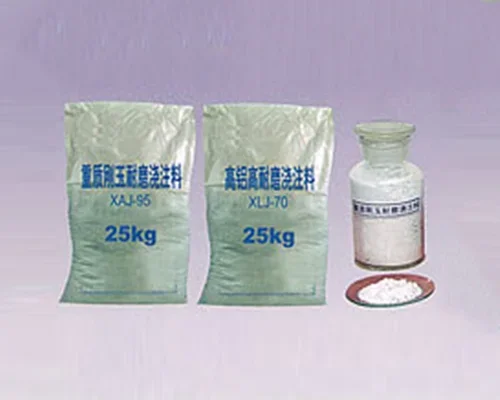
Different refractory materials are used for different applications.
Fireclay refractory bricks provide good general-purpose heat resistance and can be used in areas with relatively moderate operating conditions.
High alumina refractory bricks offer higher refractoriness and thermal stability. They are often considered for high-temperature sections such as combustion areas, burner surroundings, and furnace walls.
Silicon carbide-based refractories provide good abrasion, erosion, and thermal shock resistance. They can be suitable for high-wear areas, particularly in circulating fluidized bed (CFB) boilers.
Insulating refractory bricks are mainly used to reduce heat transfer. They are commonly installed as backup insulation behind denser hot-face refractory materials.
Key Factors in Refractory Selection
When selecting refractory bricks for a power plant boiler, several properties should be evaluated, including:
-
Operating temperature and refractoriness
-
Bulk density
-
Apparent porosity
-
Cold crushing strength
-
Thermal shock resistance
-
Abrasion and erosion resistance
-
Chemical resistance
CFB boilers, for example, can require particularly strong abrasion resistance because of the continuous circulation of solid particles. Biomass boilers may require additional consideration of fuel ash chemistry and chemical compatibility.
Installation and Maintenance
Even high-quality refractory bricks can fail prematurely if they are installed incorrectly. Proper surface preparation, compatible mortar, accurate brick alignment, suitable joint thickness, and appropriate expansion allowances are all important.
Regular inspections should also identify cracks, spalling, erosion, loose bricks, damaged joints, and local thinning. Maintenance records can help determine whether future repairs require a different refractory grade, improved installation, or changes to the lining design.
Choosing a Refractory Supplier
For large power plant projects, technical experience and quality control are important when selecting a refractory supplier. Manufacturers should be able to provide suitable refractory grades, special shapes, consistent product quality, inspection documentation, and reliable project support.
Wuxi Asia-Pacific Furnaces Co., Ltd. is a refractory materials supplier and industrial furnace and kiln engineering contractor. Founded in 1992, the company provides refractory materials and engineering services for industries including electric power, metallurgy, glass, petrochemicals, cement, and waste incineration.
Conclusion
Refractory bricks are an essential part of power plant boiler lining systems. Fireclay, high alumina, silicon carbide-based, and insulating refractories each have different applications.
The key to achieving reliable performance is to match the refractory material with the actual temperature, wear, chemical environment, and operating conditions of each boiler zone. A properly selected, installed, and maintained refractory lining can help improve equipment protection and support longer service life.
www.yxok.com
Wuxi Asia-Pacific Furnaces Co., Ltd.