

For overseas automotive dealers, choosing between new and used SUVs is an important business decision. Both categories can serve different customer groups, but they involve different purchasing considerations, pricing structures, and regulatory requirements.
As international buyers explore vehicle sourcing opportunities in China, understanding the differences between new and used vehicles can help them select an appropriate product strategy. The right choice depends on local demand, the intended customer base, import regulations, and the buyer's ability to assess vehicle condition accurately.
Understand the Customer Base Before Choosing Vehicle Types
New and used SUVs often appeal to different purchasing priorities. Customers buying new vehicles may place greater importance on an unused vehicle condition, current equipment, and a clearly documented specification. Buyers considering used vehicles may focus more on affordability, availability, and the relationship between price and remaining vehicle life.
For distributors, the first step is to understand which customer group they intend to serve. In markets where buyers have limited budgets, used SUVs may offer an additional segment to explore. Where customers prefer the latest equipment or a new-vehicle purchasing experience, a new SUV range may be more suitable.
These patterns should be validated through local market research rather than treated as universal rules. Consumer preferences vary by country, income level, financing access, and the availability of competing vehicles.
Compare the Total Cost, Not Just the Purchase Price
A used SUV may have a lower purchase price than a comparable new vehicle, but the initial price does not tell the whole story.
Importers should consider transportation, insurance, customs duties, taxes, inspection costs, repairs where necessary, and destination-market registration expenses. Used vehicles may also require additional checks or preparation depending on their age, condition, and maintenance history.
For new vehicles, buyers still need to account for the full landed cost and confirm that the selected specification is suitable for the destination market.
A meaningful comparison should therefore estimate the complete cost of bringing each vehicle into saleable condition. This allows businesses to evaluate the likely margin and avoid assuming that a lower sourcing price automatically creates a better commercial opportunity.
Verify Vehicle History and Condition When Buying Used SUVs
Vehicle condition is one of the most important considerations in used-car sourcing. Mileage alone cannot establish how well a vehicle has been maintained or whether it has experienced significant damage.
Importers should request available maintenance records, ownership information where applicable, and documentation relevant to the vehicle's history. They should also arrange an appropriate inspection to assess the bodywork, tires, interior, mechanical condition, and visible signs of previous repairs.
Any uncertainty about accident history, odometer accuracy, or major component condition should be investigated before purchase. Inspection findings should be recorded, and unresolved issues should be reflected in the purchasing decision.
The depth of inspection required depends on the vehicle's age, value, intended use, and the buyer's risk tolerance.
Confirm Import Rules Before Sourcing
Not every country permits the unrestricted import of used vehicles. Some markets impose age limits, emissions requirements, roadworthiness standards, or additional documentation requirements. Others distinguish between new and used vehicles for customs or registration purposes.
Importers should check the rules that apply to their specific destination and vehicle category before purchasing. They should also confirm how the vehicle's age, first registration date, emissions specification, and other characteristics affect eligibility.
A vehicle that can be legally exported from China may not necessarily qualify for import or registration in the buyer's country. Checking these requirements early helps prevent avoidable complications and financial losses.
Consider Parts Availability and Long-Term Usability
The expected service life of a vehicle matters to both the importer and the eventual customer. For used SUVs, the remaining life of major components and the availability of replacement parts may have a greater influence on the ownership experience.
Importers should consider whether qualified repair facilities can service the vehicle and whether commonly required parts can be obtained at reasonable cost. They should also examine whether the vehicle's model year and configuration are supported in the intended market.
New vehicles are not automatically free from maintenance challenges, particularly when an unfamiliar model is introduced. For either category, reliable technical information and a practical service plan can support a more consistent customer experience.
Evaluate Which SUV Models Fit Your Product Strategy
Model selection should reflect the intended customer segment, not simply the popularity of a vehicle in another country.
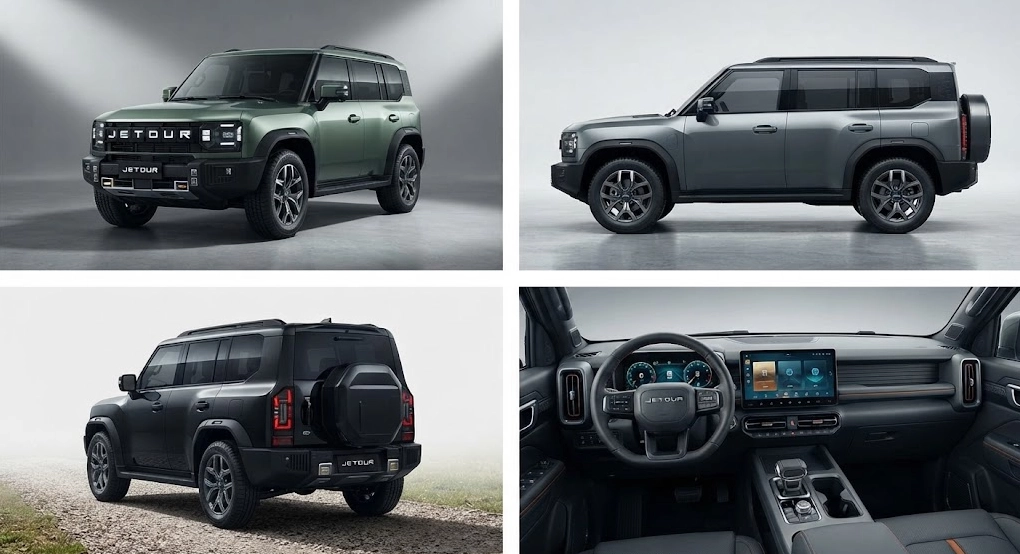
The Jetour T2, for example, has a distinctive boxy design and is offered in specific configurations that importers may evaluate for customers interested in a rugged-looking SUV. Buyers considering this model should confirm whether the available vehicle is new or used, identify its exact model year and specification, and assess its eligibility under destination-market rules.
The same principle applies when comparing other Chinese SUV models. Equipment, powertrain, condition, and legal import status should be verified for the individual vehicle or confirmed configuration rather than inferred from the model name alone.
Build a Clear Purchasing Process
Whether sourcing new or used SUVs, importers benefit from a documented purchasing process. The process should establish vehicle requirements, acceptable condition, required records, payment terms, inspection arrangements, and delivery responsibilities.
For used vehicles, the agreed condition and any known defects should be documented before the transaction is finalized. For new vehicles, the confirmed specification and included equipment should be clearly identified.
Keeping these details in writing gives both parties a common reference and helps resolve discrepancies more efficiently.
Work with a Chinese Vehicle Export Partner
International vehicle sourcing involves more than locating a vehicle. Buyers also need to coordinate specification confirmation, documentation, logistics, and the requirements of the destination market.
Moluoni supports international buyers with Chinese vehicle sourcing and export coordination. Businesses considering the Jetour T2 can review available configurations and discuss their sourcing requirements before confirming a purchase.
Product reference: https://www.moluoni.com/new-vehicles-exports/jetour-t2-2-0t-4wd-suv.html
Conclusion
The decision between new and used Chinese SUVs depends on customer demand, total landed cost, vehicle condition, import regulations, and long-term usability. New vehicles may suit buyers prioritizing a new-vehicle condition and a defined specification, while used vehicles require closer attention to history, condition, and eligibility.
For overseas importers, evaluating these factors before purchasing helps establish a more suitable sourcing strategy. A clear understanding of local requirements and the actual vehicle being offered is essential to making informed decisions in international automotive trade.
https://www.moluoni.com/blog/which-jetour-suv-is-right-for-family-use-and-long-distance-driving.html
https://www.moluoni.com/
GuangZhou Moluoni Group Trade Co., Ltd.