
In today’s fast-paced food industry, efficiency, accuracy, and consistency are no longer optional—they are critical for maintaining competitiveness. One key component of modern food production is labeling, particularly for canned food. Labels do more than provide branding; they ensure compliance with regulations, convey essential product information, and enhance consumer appeal. This is where canned food labeling machines come into play, offering automation solutions that streamline the labeling process and transform production lines.
1. The Importance of Automated Labeling in Food Packaging
Manual labeling has long been the traditional approach in small-scale operations, but it comes with numerous challenges:
-
Inconsistency: Hand-applied labels are prone to misalignment, wrinkles, or bubbles, which can compromise brand image.
-
Slow Production: Manual labeling significantly limits output, especially when production volumes increase.
-
Labor-Intensive: Relying on manual labor increases costs and raises the risk of human error.
By contrast, automated canned food labeling machines eliminate these problems. They provide fast, precise, and repeatable labeling, which is essential for large-scale operations. Automation ensures that each can is labeled uniformly, boosting both efficiency and professionalism.
2. Types of Canned Food Labeling Machines
Canned food labeling machines are not one-size-fits-all. The right machine depends on your production needs, can shapes, and label types. The most common types include:
a. Wrap-Around Labeling Machines
These machines are designed to label the cylindrical surface of cans. They are ideal for soup, beverages, or vegetable cans. Wrap-around labeling machines provide 360-degree label coverage and can operate at high speeds, often exceeding hundreds of cans per minute. Modern versions incorporate automatic label feeding, error detection, and adjustable settings to handle different can diameters and heights.
b. Front-and-Back Labeling Machines
For products requiring two labels—typically a front-facing brand label and a back-facing nutritional or regulatory label—front-and-back labeling machines are the solution. These machines ensure precise alignment, which is especially important for brands emphasizing visual appeal.
c. Pressure-Sensitive Labeling Machines
Pressure-sensitive labeling machines use adhesive-backed labels, which stick immediately upon contact. They are commonly used for smaller batch operations and for products where rapid setup and flexibility are required.
d. Hot-Melt and Cold-Glue Labeling Machines
Hot-melt or cold-glue labeling machines apply labels using adhesive. Hot-melt machines are faster and suitable for high-speed production, while cold-glue machines are more versatile for irregular can shapes and heavier labels.
3. Key Benefits of Using Canned Food Labeling Machines
Implementing an automated labeling system brings multiple advantages:
a. Increased Production Efficiency
Automated labeling machines can label hundreds to thousands of cans per hour, drastically improving throughput. For companies seeking to scale operations, this efficiency gain translates directly to increased revenue.
b. Enhanced Labeling Accuracy
Precision engineering ensures labels are applied consistently, reducing waste caused by misaligned or damaged labels. Accurate labeling is not just about aesthetics—it is crucial for regulatory compliance, particularly for nutritional information, expiration dates, and barcodes.
c. Cost Savings
Although the initial investment in a labeling machine can be significant, automation reduces labor costs and minimizes labeling errors. Over time, the return on investment (ROI) is substantial, especially for high-volume canned food production.
d. Versatility and Flexibility
Modern canned food labeling machines can handle a variety of can sizes, shapes, and label materials. Many machines offer quick changeovers, allowing manufacturers to switch between products without lengthy downtime.
e. Improved Safety and Ergonomics
Automation reduces the need for manual handling, decreasing the risk of repetitive strain injuries and improving workplace safety. Operators can focus on monitoring and maintaining the machine rather than performing repetitive tasks.
4. Integration with Modern Production Lines
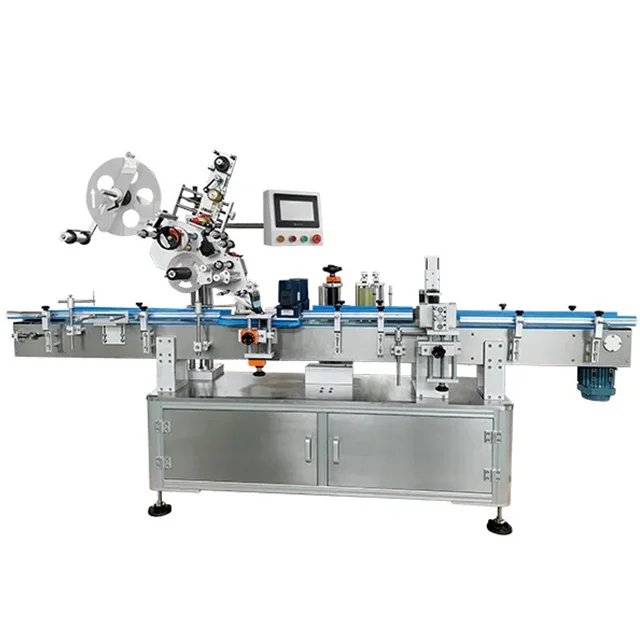
Canned food labeling machines are not standalone devices—they are integral components of fully automated production lines. When integrated with can filling, sealing, and packaging equipment, these machines help create a seamless workflow. Integration can include:
-
Conveyor Synchronization: Ensures cans move smoothly between stations.
-
Inspection Systems: Cameras or sensors detect labeling defects in real-time.
-
Data Logging: Tracks production metrics, label counts, and error rates for quality control and reporting.
Such integration not only enhances efficiency but also allows manufacturers to implement Industry 4.0 solutions, such as predictive maintenance and remote monitoring.
5. Factors to Consider When Choosing a Canned Food Labeling Machine
Selecting the right labeling machine is crucial for maximizing performance and ROI. Key considerations include:
a. Production Volume
High-speed machines are essential for large-scale operations, while small-batch producers may prioritize flexibility and affordability.
b. Can Size and Shape
Machines must accommodate the diameter and height of cans in your product line. Some machines offer adjustable settings to handle multiple sizes without manual intervention.
c. Label Type and Material
Different adhesives, paper types, and label thicknesses require compatible machines. Pressure-sensitive labels, shrink sleeves, and glue-applied labels all have specific machine requirements.
d. Automation Level
Semi-automatic machines require some operator involvement, while fully automatic machines handle the entire labeling process. Consider labor availability, production targets, and budget when deciding.
e. Maintenance and Support
Machines should be easy to clean, maintain, and repair. Access to spare parts and technical support is essential for minimizing downtime.
6. Future Trends in Canned Food Labeling Machines
The food packaging industry continues to evolve, and labeling machines are keeping pace with technological advancements:
-
Smart Labeling Machines: Equipped with IoT sensors, these machines can provide real-time diagnostics, predictive maintenance alerts, and remote monitoring capabilities.
-
Sustainable Labeling Solutions: As environmental concerns grow, machines compatible with recyclable or biodegradable labels are gaining popularity.
-
AI and Vision Systems: Advanced vision systems detect errors instantly, ensuring higher quality standards and reducing waste.
-
Flexible and Modular Designs: Manufacturers can now switch quickly between products or packaging formats, enhancing operational agility.
7. Conclusion
The role of canned food labeling machines in modern food packaging cannot be overstated. They enhance production efficiency, improve labeling accuracy, reduce labor costs, and ensure regulatory compliance. Whether you operate a small food business or a large-scale manufacturing facility, investing in an automated labeling solution is a strategic move that boosts productivity, consistency, and brand credibility.
By understanding the types of machines, their benefits, and how they integrate into production lines, food manufacturers can make informed decisions that drive growth and innovation. In an increasingly competitive food industry, automation is not just a convenience—it is a necessity.
www.beiltpack.com
beiltpack