

The food service industry is undergoing a radical transformation as businesses seek innovative ways to meet consumer demand around the clock while managing escalating operational costs. Traditional retail models, constrained by high rent, labor expenses, and limited operating hours, are increasingly being complemented—and in some cases replaced—by automated solutions. Among these innovations, hot food vending machines have emerged as a game-changing technology, enabling businesses to deliver fresh, heated meals without the geographical or temporal limitations of conventional food service.
The Evolution of Automated Food Retail
Modern consumers expect convenience, quality, and accessibility. Whether in airports, hospitals, factories, or university campuses, the demand for immediate access to hot, nutritious meals has never been higher. Traditional vending machines, however, have historically fallen short in this category. Standard units rely on spiral-drop mechanisms that frequently damage fragile packaging, lack temperature control capabilities, and offer limited product variety.
The next generation of vending technology addresses these pain points head-on. By integrating advanced thermal management systems, precision delivery mechanisms, and intelligent software platforms, contemporary hot food vending machines transform the consumer experience while delivering measurable business value.
Core Technology: What Sets Advanced Systems Apart
Precision Delivery Through Independent Elevator Systems
One of the most critical challenges in automated food dispensing is ensuring that delicate products—such as glass-bottled beverages, boxed meals, or soup containers—reach consumers intact. Traditional spiral-drop systems create significant product damage and jamming issues, resulting in customer dissatisfaction and inventory loss.
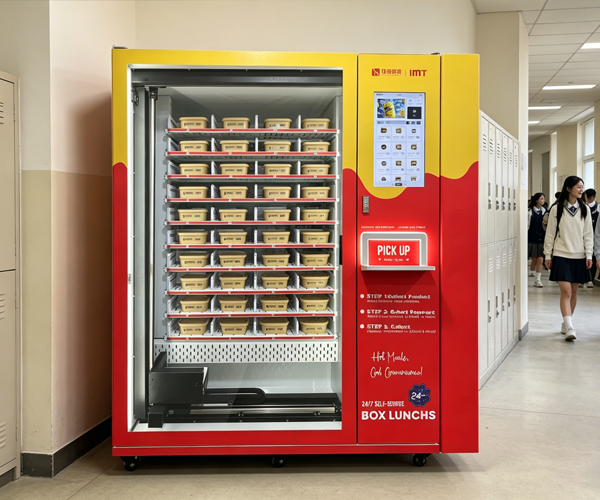
Independent elevator transport systems paired with infrared detection technology solve this problem comprehensively. By gently lifting and lowering products rather than dropping them, these systems accommodate varied package shapes and sizes while eliminating damage risks. This innovation expands the range of products that can be successfully vended, including fragile ready-to-eat meals and beverages in breakable containers.
Integrated Heating Capabilities
The defining feature of top-tier hot food vending machines is their ability to heat meals on demand. Built-in microwave systems with adjustable time and temperature settings allow consumers to receive restaurant-quality hot meals instantly. This capability is particularly valuable in high-traffic environments where traditional food service infrastructure is impractical or cost-prohibitive.
Operators benefit from flexibility as well. Heating functions can be toggled on or off depending on product type, enabling a single machine to serve both ambient and heated items. This versatility maximizes machine utilization and revenue potential across diverse locations.
Superior Thermal Insulation
Maintaining product freshness and temperature integrity requires exceptional insulation. Polyurethane one-piece foam molding provides superior temperature locking compared to standard metal cabinets. This construction method ensures that refrigerated items stay cold and heated compartments retain warmth, reducing energy consumption while extending product shelf life.
For cold storage applications, professional-grade compressors designed for demanding environments deliver consistent cooling performance even in high-temperature ambient conditions. This reliability is essential for locations such as outdoor venues, industrial facilities, and transportation hubs where environmental control is challenging.
Intelligent Management: Data-Driven Operations
Beyond hardware innovation, the true competitive advantage of modern vending solutions lies in their intelligent sales platforms. These proprietary systems provide operators with real-time visibility into critical business metrics including sales performance, inventory levels, and profit margins.
Remote Monitoring and Control
Operators can manage machines remotely from any location, eliminating the need for frequent physical inspections. The ability to create subsidiary accounts enables efficient management of distributed machine networks, making these solutions scalable for both small businesses and large enterprises.
Actionable Consumer Insights
By capturing and analyzing transaction data, these platforms enable precision marketing based on actual consumer behavior patterns. Operators can identify top-performing products, optimize inventory mix, and adjust pricing strategies to maximize revenue. This data-driven approach transforms vending from a passive sales channel into an active revenue optimization tool.
Versatile Applications Across Industries
The flexibility of modern hot food vending machines makes them suitable for an exceptionally wide range of environments:
Transportation Hubs: Airports, train stations, subway stations, and ports benefit from 24/7 food availability without staffing requirements, serving travelers at all hours.
Healthcare Facilities: Hospitals, clinics, and pharmacies provide staff, patients, and visitors with convenient meal access during extended shifts and overnight hours.
Educational and Corporate Campuses: Schools and factories offer students and employees nutritious meal options without operating full cafeterias, reducing overhead while improving satisfaction.
Tourism and Leisure: Parks, zoos, scenic spots, amusement parks, and hotels enhance visitor experience by ensuring food availability in remote or high-traffic areas where traditional concessions are impractical.
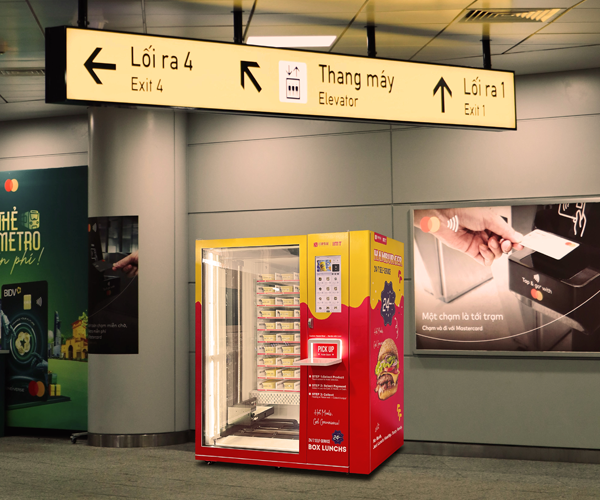
Retail Environments: Shopping malls and pedestrian streets extend food service beyond restaurant operating hours, capturing additional revenue during peak shopping periods.
Business Value: Reducing Costs While Maximizing Revenue
The financial case for automated hot food solutions is compelling. By eliminating site rent associated with physical storefronts and drastically reducing labor costs, businesses achieve significant operational savings. Simultaneously, 24/7 availability captures sales during hours when traditional operations would be closed, effectively expanding the revenue window without proportional cost increases.
IMT Vending exemplifies this value proposition through comprehensive solutions that combine cutting-edge hardware with intelligent software. Their 21.5-inch Smart Fresh Food Vending Machine integrates microwave heating, independent elevator transport, and automatic utensil dispensers, addressing every aspect of the consumer experience. For operators focused on noodle products, their 15.6-inch Cup Noodle Ramen Vending Machine includes integrated hot water dispensing, enabling immediate consumption.
Customization and Support: Tailoring Solutions to Unique Needs
Recognizing that different businesses have distinct requirements, leading providers offer extensive ODM and OEM capabilities. Whether modifying software interfaces, adjusting hardware dimensions, or integrating specific payment systems, customization ensures that vending solutions align perfectly with operational needs and brand identity.
Comprehensive technical support—including lifetime assistance, quality testing before delivery, and one-year warranties—provides operators with confidence in their investment. Standard production lead times of approximately two weeks enable rapid deployment, while flexible shipping options accommodate global operations.
Payment Flexibility for Global Markets
Modern vending systems must support diverse payment ecosystems. Top solutions integrate multiple payment methods including credit cards, mobile payments like Alipay and PayPal, and traditional options such as bank transfers. Multi-currency support ensures seamless operation across international markets, removing barriers to global expansion.
The Future of Food Service is Automated
As labor costs continue rising and consumer expectations for convenience intensify, automated hot food vending represents not just an alternative to traditional food service but often a superior solution. By combining thermal management, precision delivery, intelligent software, and flexible customization, these systems function as true "all-weather stores"—operating profitably in conditions and locations where conventional retail cannot.
For businesses seeking to expand market reach, reduce overhead, and capture revenue around the clock, investing in advanced hot food vending technology offers a clear path to competitive advantage. The technology has matured beyond novelty status to become a proven, scalable solution delivering measurable returns across diverse industries and geographies.
The question facing forward-thinking businesses is no longer whether to adopt automated food retail, but how quickly they can integrate these solutions into their operational strategies. Those who act decisively will position themselves at the forefront of the retail evolution, capturing market share while competitors remain constrained by outdated operational models.
https://www.imtvending.com/
Guangzhou IMT Technology Co., Ltd.