
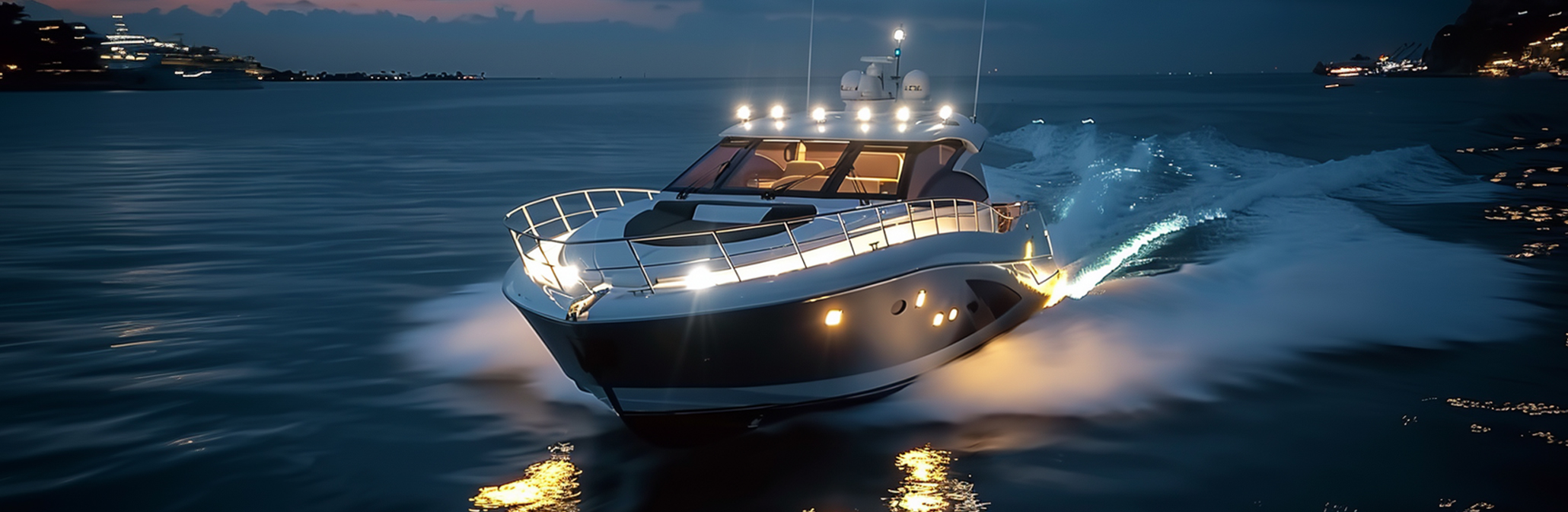
When it comes to marine environments, lighting systems face relentless challenges that would quickly destroy ordinary equipment. Saltwater corrosion, constant moisture exposure, high-pressure washing, extreme temperature fluctuations, and continuous mechanical vibration create a punishing operational environment. For boat owners, yacht operators, and marine equipment manufacturers, finding lighting solutions that deliver reliable performance under these conditions isn't just about convenience—it's about safety and operational efficiency.
Understanding the Marine Lighting Challenge
Marine lighting requirements differ fundamentally from terrestrial applications. Equipment must withstand complete submersion, resist saltwater intrusion, maintain functionality during high-pressure cleaning operations, and continue operating reliably despite constant exposure to UV radiation and temperature extremes. Traditional lighting technologies frequently fail under these conditions, leading to premature equipment failure, costly replacements, and potential safety hazards during nighttime operations.
The core challenge centers on achieving true waterproofing while maintaining optimal light output and thermal management. Water ingress remains the primary failure mode for marine lighting, yet many products claiming waterproof capabilities fail to meet rigorous testing standards. The distinction between basic water resistance and genuine submersion-grade protection becomes critical in real-world marine applications.
The IP Rating System and Marine Requirements
The Ingress Protection (IP) rating system provides standardized measurements of equipment protection against solid particles and liquids. For marine applications, the minimum acceptable standard should be IP67, which indicates protection against temporary submersion up to one meter depth. However, serious marine operations demand even higher protection levels.
IP68 rating represents the industry standard for marine lighting, ensuring protection against continuous submersion beyond one meter. This rating confirms that equipment can operate reliably even when completely underwater for extended periods. For vessels requiring regular high-pressure cleaning—a common maintenance requirement for commercial marine operations—the even more stringent IP69K rating becomes essential. This certification verifies resistance to high-temperature, high-pressure water jets from multiple angles, simulating intensive cleaning procedures.
Products meeting both IP68 and IP69K standards provide comprehensive protection across the full spectrum of marine operational conditions. This dual certification ensures equipment survives not only submersion scenarios but also the mechanical stress of pressurized cleaning systems.
Critical Design Elements for Marine LED Lighting
Achieving genuine marine-grade waterproofing requires integrated engineering approaches addressing multiple failure points simultaneously.
Housing Material Selection
Aluminum alloy, specifically 6063-grade material, provides optimal properties for marine LED housings. This aerospace-grade aluminum delivers excellent corrosion resistance while providing superior thermal conductivity essential for LED longevity. The material withstands operational temperatures ranging from -40°C to 145°C, accommodating both arctic conditions and extreme engine compartment heat.
The thermal management capabilities of aluminum housing become particularly critical for high-output LED applications. Efficient heat dissipation prevents LED junction temperature elevation, which directly correlates with light output degradation and premature failure. Properly designed aluminum housings function as passive thermal management systems, eliminating the need for active cooling components that introduce additional failure points.
Sealed Connector Systems
Electrical connections represent vulnerable points in any waterproof system. Marine-grade lighting employs specialized waterproof DT (Deutsch Technik) connectors featuring multiple sealing stages. These connectors maintain electrical integrity even when subjected to complete submersion and provide secure mechanical coupling resistant to vibration-induced disconnection.
The connector sealing system typically incorporates multiple O-ring barriers and environmental seals that prevent moisture migration along cable paths—a common failure mode in inadequately designed systems. Quality connectors also feature corrosion-resistant plating on electrical contacts, preventing oxidation that degrades electrical performance over time.
Optical Protection and UV Resistance
Marine environments subject optical components to intense UV radiation, particularly in tropical and high-altitude locations. Standard polycarbonate lenses degrade rapidly under UV exposure, yellowing and crazing within months of installation. Professional marine lighting utilizes UV-stabilized materials such as GE Lexan lenses, which maintain optical clarity and mechanical strength despite years of UV exposure.
The optical system must also resist impact damage from wave action, debris strikes, and handling during installation. High-quality marine LED lights incorporate impact-resistant lenses that withstand falling ball impact testing, ensuring they survive real-world operational hazards.
LED Chip Selection and Electrical Protection
The LED chips themselves determine fundamental performance characteristics including light output, efficiency, and longevity. Premium marine lighting solutions utilize high-efficiency LED chips from manufacturers such as Osram and Cree, which provide superior luminous efficacy and extended operational lifespans exceeding 50,000 hours.
Electrical protection circuitry guards against voltage spikes, electromagnetic interference, and reverse polarity conditions common in marine electrical systems. Wide voltage range capability (typically 9V-32V DC) ensures compatibility with various vessel electrical systems while maintaining stable output despite voltage fluctuations from alternator charging cycles.
Shenzhen Aurora Technology's Marine Lighting Solutions
Shenzhen Aurora Technology Co., Ltd. has developed comprehensive marine LED lighting solutions specifically engineered for harsh maritime environments. Founded in 2011 and operating from a 35,000 square meter industrial park, the company combines advanced manufacturing capabilities with rigorous testing protocols to deliver waterproof lighting that meets the most demanding marine applications.
Aurora's marine-grade LED lighting achieves both IP68 and IP69K certifications through integrated design approaches incorporating 6063 aluminum housings, waterproof DT connectors, and UV-resistant GE Lexan optical systems. The products undergo extensive validation testing including saltwater spray exposure, vibration testing across 10g/5-500Hz frequency ranges, UV aging protocols, and thermal cycling between extreme temperatures.
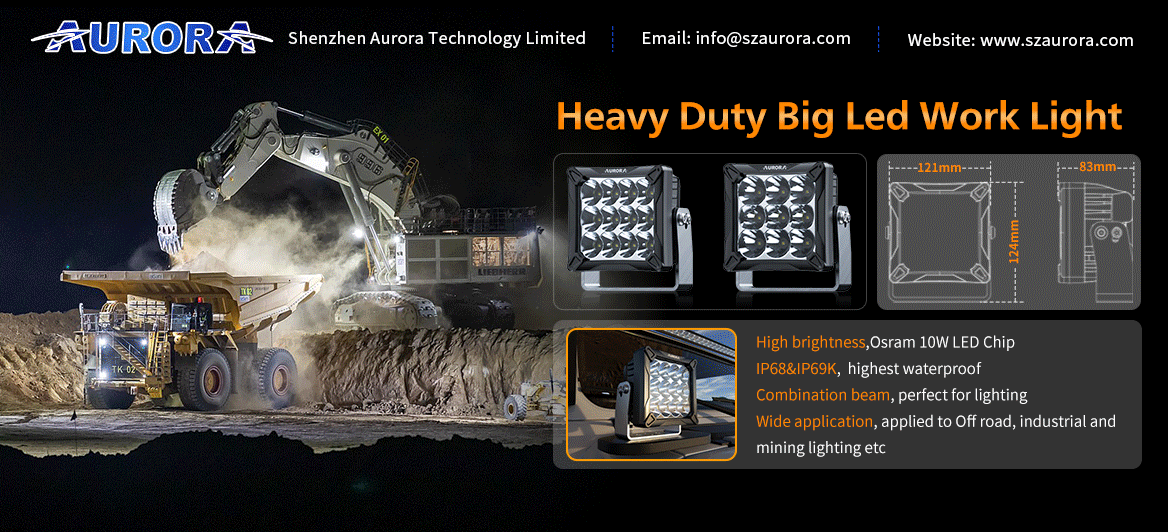
The company's 3-inch LED pod series exemplifies purpose-built marine lighting design. Models such as the ALO-2-P4T and ALO-2-E4T deliver high-intensity illumination using Osram 10W chips while maintaining complete waterproof integrity. Interchangeable lens options including Golden and Amber configurations optimize visibility in fog and adverse weather conditions frequently encountered in marine operations.
For applications requiring wide-angle peripheral visibility, Aurora's side shooter LED pods (ALO-2-P4E15D1) combine forward-facing beams with side-mounted LEDs, providing coverage exceeding 120 degrees. This design proves particularly valuable for docking operations and nighttime navigation in confined waterways.
Specialized infrared LED work lights (ALO-2-P4F-940) serve tactical and research applications requiring night vision compatibility, while RGB color-changing lights (ALO-D3T-2-P23Q) with Bluetooth control provide customizable aesthetic lighting for recreational vessels.
Quality Assurance and Manufacturing Standards
Aurora's commitment to marine lighting reliability extends beyond product design to comprehensive quality management systems. The company maintains IATF 16949 automotive quality certification, ISO 9001 quality management, ISO 14001 environmental management, and ISO 45001 occupational health and safety certifications. Products carry CE, RoHS, SAE, and E-mark compliance, ensuring they meet international regulatory standards for marine and vehicular applications.
The manufacturing facility employs CNC precision machining for housing components, SMT (Surface Mount Technology) production lines for circuit assembly, and X-ray inspection systems for internal quality verification. This integrated manufacturing approach ensures consistent product quality and enables rapid customization for specific marine applications.
Aurora's research and development capabilities, supported by over 200 innovation patents, enable continuous product evolution addressing emerging marine lighting requirements. The company's technical team focuses on advancing LED efficiency, enhancing thermal management, and developing specialized optical patterns optimized for marine visibility conditions.
Selecting Marine LED Lighting for Specific Applications
Different marine applications demand tailored lighting solutions. Commercial fishing vessels require high-lumen deck illumination and specialized task lighting for processing areas. Recreational boats prioritize aesthetics alongside functionality, often incorporating color-changing accent lighting. Search and rescue operations need reliable high-intensity beams with extended throw distances for scanning large water areas.
When specifying marine LED lighting, key considerations include required light output (measured in lumens), beam pattern (spot, flood, or combination), mounting configuration, electrical compatibility, and regulatory compliance for the vessel's operational jurisdiction. Professional marine lighting manufacturers provide technical specifications enabling informed selection based on application requirements rather than marketing claims.
Conclusion
Waterproof LED lighting for marine use demands far more than basic water resistance. Genuine marine-grade solutions incorporate comprehensive engineering addressing corrosion resistance, thermal management, impact protection, electrical reliability, and long-term UV stability. The distinction between consumer-grade water-resistant products and professional marine lighting becomes evident through certification standards, material selection, manufacturing quality, and validated performance data.
As marine operations increasingly rely on LED technology for improved efficiency and reduced maintenance, selecting lighting systems with verified IP68 and IP69K ratings, quality component materials, and comprehensive testing validation ensures reliable long-term performance. Companies like Shenzhen Aurora Technology demonstrate that combining advanced manufacturing capabilities with rigorous quality standards delivers marine lighting solutions capable of withstanding the ocean's harshest challenges while providing the illumination essential for safe, efficient maritime operations.
https://www.szaurora.com/
Shenzhen Aurora Technology Co., Ltd.