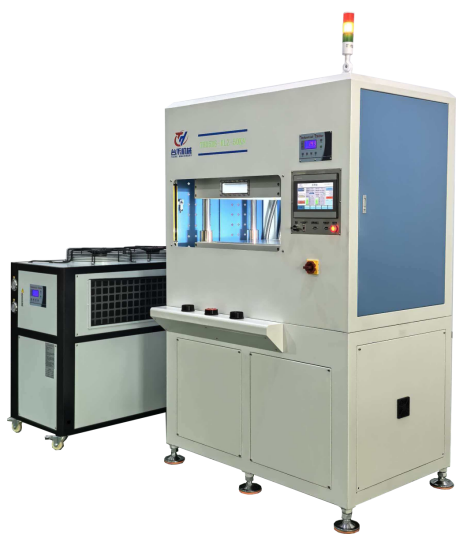

Industrial hydraulic systems often operate through repeated extension, retraction, lifting, pressing, or clamping cycles. Although individual operations may remain within the rated limits of the equipment, repeated loading can gradually affect component condition and operating reliability. Understanding how cyclic loads influence hydraulic components helps manufacturers and maintenance teams reduce premature wear and plan inspections more effectively.
Understanding Repeated Load Cycles in Hydraulic Systems
A load cycle refers to a sequence of loading and unloading during equipment operation. In a hydraulic press, for example, a cylinder may extend under pressure, apply force to a workpiece, retract, and repeat the sequence thousands of times.
The impact of these cycles depends on load magnitude, pressure variation, operating frequency, alignment, and the duration of service. A component exposed to frequent load changes may experience different stresses from one operating under a relatively constant load.
Even when a system works within its specified operating range, repeated stress can contribute to material fatigue, seal wear, and loosening at connection points. These effects do not occur at the same rate in every application. Proper design, suitable component selection, and operating conditions all influence long-term performance.
Components Most Affected by Cyclic Loading
Hydraulic Cylinders and Piston Rods
Hydraulic cylinders convert fluid pressure into linear movement, making them central to many cyclic industrial operations. Repeated loading places stress on the cylinder barrel, piston rod, mounting points, and internal components. Where loads are uneven or alignment is poor, additional bending forces may increase wear.
Rod surface damage, seal deterioration, and leakage can develop over time, particularly when contamination or inadequate lubrication conditions are also present. Selecting suitable hydraulic cylinders for industrial equipment requires consideration of operating pressure, stroke, load direction, mounting arrangement, and expected cycle frequency.
Seals and Hydraulic Connections
Seals are exposed to pressure changes and repeated movement. Excessive temperature, incompatible materials, contamination, and unsuitable operating conditions may accelerate deterioration. External leakage or increasing internal leakage can indicate that further inspection is necessary.
Connections and mounting hardware also deserve attention. Repeated force changes can contribute to loosening, fretting, or fatigue when components are poorly fitted or exposed to unexpected loads. Regular inspection helps identify these issues before they develop into more serious equipment problems.
Factors That Accelerate Fatigue and Wear
Several operating conditions can increase the effects of repeated loading:
-
Excessive or fluctuating loads: Loads that exceed design assumptions, or vary sharply during operation, can increase stress on structural components.
-
Misalignment and side loading: Poor alignment can introduce bending forces that a cylinder or mounting assembly was not designed to withstand.
-
High cycle frequency: More frequent operation increases the number of loading cycles accumulated over a given period.
-
Contamination and poor maintenance: Particles in hydraulic fluid can damage precision surfaces and accelerate wear, while degraded fluid condition may affect overall system performance.
These factors often interact. For instance, misalignment combined with frequent cycling can increase stress on a piston rod and its guiding components. Investigating operating conditions together is more useful than treating each symptom in isolation.
Practical Ways to Reduce Cycle-Related Damage
Reducing premature wear begins with matching equipment to the actual load profile. Engineers should confirm rated pressure, required force, stroke, mounting conditions, and expected service life before selecting components. Where operating loads change substantially, the design should account for peak conditions rather than relying only on average values.
Maintenance teams can also establish inspection schedules based on operating frequency and equipment criticality. Useful checks include monitoring leakage, inspecting rod surfaces, verifying mounting connections, reviewing hydraulic fluid condition, and recording unusual changes in noise or movement.
Where a cylinder operates under demanding conditions, reviewing its configuration may help identify opportunities for improvement. A custom hydraulic cylinder can be considered when standard dimensions, mounting arrangements, or operating requirements do not adequately match the application. The final design should be based on documented loads, pressure, movement, and environmental conditions.
Extending Hydraulic Component Service Life Through Better Load Management
Repeated load cycles are an unavoidable part of many industrial processes, but premature damage can often be reduced through suitable design, correct installation, and condition-based maintenance. Understanding the relationship between load magnitude, cycle frequency, alignment, and component wear gives engineering teams a stronger basis for preventing failures.
For long-term reliability, hydraulic components should be evaluated against real operating conditions rather than rated pressure alone. Consistent inspections and timely corrective action can help maintain performance, reduce unplanned downtime, and support more predictable equipment maintenance.
www.colddrawingmachinery.com
hongli