
Indoor playgrounds have transformed significantly over the years. What were once simple recreational areas filled with slides and ball pools have evolved into carefully planned environments that combine entertainment, safety, and developmental benefits. Among the most influential trends driving this transformation is the use of candy-inspired color schemes and imaginative themed decorations.
Today, successful indoor play centers are designed to deliver immersive experiences rather than merely providing play equipment. Through the strategic use of soft pastel colors, creative decorative elements, and storytelling-based themes, designers create engaging environments that inspire children to explore, interact, and learn.
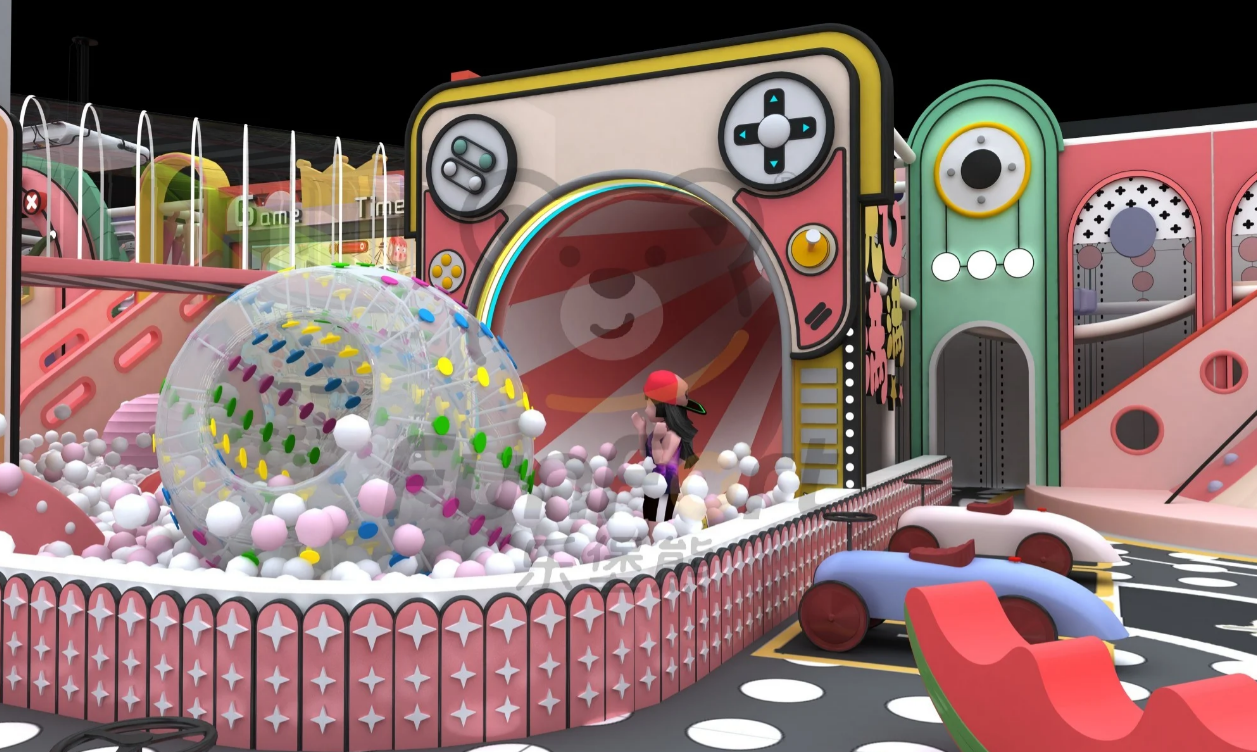
Why Candy-Inspired Colors Work So Well
Color plays a major role in shaping children's first impressions of a space. Candy-inspired palettes, featuring shades such as pastel pink, mint green, baby blue, lavender, and soft yellow, have become increasingly popular in indoor playground design.
Unlike bright primary colors that can sometimes feel overwhelming, these softer tones create a welcoming atmosphere while still maintaining a sense of excitement and fun. In enclosed indoor environments, this balance is especially important because children spend extended periods interacting with the space.
Research in environmental design suggests that these color palettes can provide several benefits:
-
Inspire imagination and creative thinking
-
Create a calming and comfortable environment
-
Encourage children to spend more time exploring
-
Help balance sensory stimulation across different activities
Rather than relying on a single dominant color, designers often blend multiple candy-inspired shades throughout the playground. This creates visual variety and naturally helps children identify different activity zones.
Creating Story-Driven Play Experiences Through Decoration
Decorative elements are just as important as color in defining the overall character of an indoor playground. Modern play environments frequently incorporate themed structures that transform ordinary equipment into exciting adventure settings.
Children are no longer simply climbing a platform or sliding down a chute—they are entering castles, exploring fantasy worlds, or embarking on imaginative journeys. This storytelling aspect encourages role-playing, teamwork, and creative problem-solving.
Popular decorative features often include:
-
Fantasy castles and themed towers
-
Soft obstacle courses
-
Interactive sensory installations
-
Themed slide systems
-
Decorative wall and ceiling components
These design elements are carefully integrated into the overall playground structure to ensure they remain safe, durable, and visually cohesive.
The Importance of Integrated Playground Design
One of the biggest developments in the indoor amusement industry is the move toward integrated design, where aesthetics and functionality are planned together from the beginning.
Wenzhou FunFort Bear Amusement Equipment Co., Ltd. is an example of a company embracing this philosophy. The company focuses on creating children's amusement environments that combine entertainment with developmental value through innovative soft play systems and imaginative fun castle designs.
Rather than viewing playground components as separate attractions, the company develops complete play ecosystems where every element contributes to a broader developmental purpose.
These integrated environments support:
Physical Development
Climbing structures, slides, and obstacle courses help improve balance, coordination, and motor skills.
Cognitive Growth
Interactive play zones encourage exploration, problem-solving, and independent thinking.
Social Interaction
Shared activity spaces promote teamwork, communication, and cooperative play.
Emotional Well-Being
Comfortable, child-friendly environments help children feel secure while building confidence through exploration.
This comprehensive approach ensures that themed playgrounds deliver meaningful developmental benefits alongside visual appeal.
Why Candy-Themed Playgrounds Remain Popular
Candy-themed playgrounds continue to attract attention because they naturally connect with children's imagination. Sweets, desserts, and colorful treats are universally associated with happiness, celebration, and fun.
To bring these concepts to life, designers often incorporate:
-
Rounded forms resembling marshmallows and gummies
-
Spiral slides inspired by giant lollipops
-
Soft play surfaces that resemble frosting textures
-
Color gradients similar to candy packaging
These playful visual elements create the feeling of stepping into a magical candy world, making the play experience more immersive and memorable.
A great example of this concept can be seen in themed attractions such as the Candy Theme Naughty Fort, where decorative storytelling and functional play equipment are seamlessly combined.
Balancing Creativity with Safety
While appearance is important, safety remains the foundation of every successful indoor playground. Candy-themed environments often rely heavily on soft play technology to provide both protection and creative design flexibility.
Soft materials allow manufacturers to create unique shapes and structures while minimizing the risk of injury during active play.
Modern playground systems commonly include:
-
Child-safe, non-toxic materials
-
Impact-absorbing surfaces
-
Soft foam-based structures
-
Anti-slip flooring
-
Age-specific activity zones
-
Modular designs that simplify maintenance
By combining these safety features with imaginative aesthetics, indoor playgrounds can provide enjoyable experiences for both children and parents.
How Themed Design Influences Children's Behavior
The influence of playground design extends beyond appearance. Studies in environmental psychology have shown that visually engaging environments can significantly affect how children interact with a space.
In candy-themed playgrounds, children often:
-
Explore more areas within the facility
-
Spend longer periods engaged in play
-
Participate more actively in group activities
-
Demonstrate higher levels of creativity
-
Engage in increased physical movement
These outcomes highlight how effective design can shape behavior and enhance the overall play experience.
The Future of Indoor Playground Design
As the family entertainment industry continues to expand, playground design is expected to become even more immersive and technology-driven. Future developments may combine physical play structures with digital interaction, sensory technologies, and intelligent lighting systems.
Companies such as Wenzhou FunFort Bear Amusement Equipment Co., Ltd. are contributing to this evolution by blending innovative equipment engineering with creative storytelling concepts.
Future indoor play environments are likely to emphasize:
-
Personalized play experiences
-
Interactive digital integration
-
Advanced sensory engagement
-
Educational play opportunities
-
Greater developmental value through design
Conclusion
Candy-inspired color schemes and themed decorations have become essential components of modern indoor playground design. Far beyond simple visual enhancements, these elements help create engaging environments that support children's physical, cognitive, social, and emotional development.
By combining color psychology, immersive storytelling, and integrated play equipment, today's playgrounds offer experiences that are both entertaining and educational. As industry innovation continues, companies such as Wenzhou FunFort Bear Amusement Equipment Co., Ltd. are helping shape the next generation of safe, creative, and highly engaging indoor play spaces.
www.cnfunfortbear.com
Wenzhou FunFort Bear Amusement Equipment Co., Ltd.