
As sustainability and indoor environmental quality become top priorities in modern architecture and interior design, PVC-free wallcovering is rapidly gaining popularity in both residential and commercial spaces. Traditional PVC-based wallcoverings often contain plasticizers and other chemicals that may impact indoor air quality and long-term environmental health. In contrast, PVC-free wallcovering offers a cleaner, safer, and more future-oriented alternative.
For design-driven and environmentally conscious projects, PVC-free wallcovering is not just a trend—it is a strategic choice. Below, we explore the key benefits of choosing PVC-free wallcovering and why it is becoming the preferred solution for modern interiors.
Healthier Indoor Environments
One of the most important advantages of PVC-free wallcovering is its contribution to healthier indoor spaces. Unlike conventional vinyl wallcoverings, PVC-free materials typically contain fewer volatile organic compounds (VOCs). This helps improve indoor air quality, making these wallcoverings especially suitable for homes, offices, hospitals, schools, and hospitality environments where occupant health and comfort are critical.
For residential users, this means a safer living environment for families and children. For commercial spaces, it supports employee well-being and helps organizations meet stricter health and safety standards.
Environmentally Responsible and Sustainable
PVC-free wallcovering aligns closely with global sustainability goals. These products are often manufactured using more environmentally responsible processes and materials, reducing reliance on fossil fuels and minimizing environmental impact throughout the product lifecycle.
Companies like ALFA, a diversified enterprise specializing in the research, development, production, and sales of signage, graphics, and decorative materials, have long been committed to technological innovation and green product development. By focusing on PVC-free solutions, ALFA actively supports eco-friendly design practices and contributes to a more sustainable construction and decoration industry.
Excellent Design Flexibility and Aesthetics
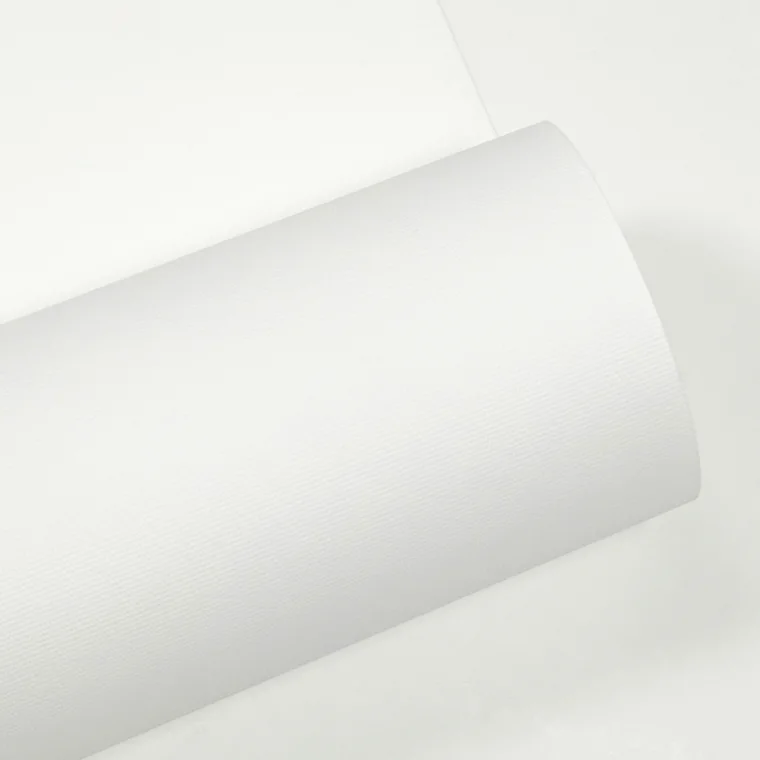
Modern PVC-free wallcovering does not compromise on design. On the contrary, it offers outstanding visual performance, rich textures, and a wide range of colors and patterns. Whether used in minimalist residential interiors or high-end commercial environments such as retail stores, offices, and hotels, PVC-free wallcovering delivers a refined and contemporary look.
Advanced material technologies allow for high-quality printing and surface finishes, enabling designers to achieve both functional and artistic goals without relying on PVC-based materials.
Durability and Performance for Commercial Use
A common misconception is that PVC-free wallcovering lacks durability. In reality, many PVC-free wallcovering solutions are engineered to meet the performance demands of high-traffic commercial spaces. They offer strong resistance to wear, impact, and fading, ensuring long-lasting appearance and reduced maintenance costs.
For businesses, this translates into reliable wallcovering solutions that maintain their aesthetic appeal while supporting sustainability commitments.
Easier Recycling and End-of-Life Management
Another key benefit of PVC-free wallcovering is improved recyclability. PVC materials are notoriously difficult to recycle due to their chemical composition. PVC-free alternatives, however, are often easier to process at the end of their lifecycle, supporting circular economy principles and reducing landfill waste.
This makes PVC-free wallcovering an ideal choice for projects aiming to meet green building certifications and long-term environmental objectives.
Supporting Green Building Standards and Brand Image
Choosing PVC-free wallcovering helps residential developers and commercial organizations align with green building standards and sustainability certifications. More importantly, it sends a clear message about environmental responsibility.
For brands and businesses, working with companies like ALFA—who consistently invest in eco-friendly technology and sustainable material innovation—strengthens corporate social responsibility efforts and enhances brand reputation in an increasingly sustainability-focused market.
Conclusion
PVC-free wallcovering offers a compelling combination of health benefits, environmental responsibility, design versatility, and commercial-grade performance. As modern residential and commercial spaces continue to evolve toward greener and smarter solutions, PVC-free wallcovering stands out as a future-ready material choice.
With its long-term commitment to technology innovation and environmentally friendly product development, ALFA continues to play a key role in advancing PVC-free decorative materials. Choosing PVC-free wallcovering is not just an interior design decision—it is an investment in healthier spaces, sustainable development, and a better future.
www.alfamaterials.com
ALFA Co., Ltd.