
In modern industrial automation, accurate and dependable object detection is essential for maintaining production efficiency, operational safety, and product consistency. From high-speed packaging equipment and automotive assembly lines to precision electronics manufacturing, even a minor sensing error can cause defective products, unplanned downtime, or potential safety hazards. Among the various sensing technologies used in industrial automation, square photoelectric switches have become a practical choice because of their reliable detection, flexible mounting options, and ability to operate in challenging industrial environments.
This article explains how square photoelectric switches support more reliable object detection on production lines and examines the role of experienced manufacturers such as Shanghai Chuan Yue Automation System Co., Ltd. in providing dependable sensing solutions for different industrial applications.
What Are Square Photoelectric Switches?
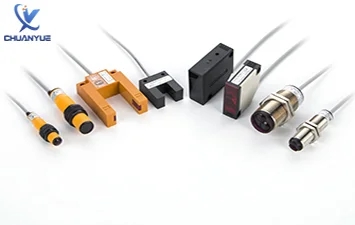
A square photoelectric switch is an optical sensing device that detects the presence, absence, position, or movement of an object by using a light beam. Depending on the sensor design, infrared or visible red light may be emitted toward a target. When the light beam is interrupted or reflected by an object, the sensor converts the change into an electrical signal that can be transmitted to a control system.
The resulting signal can be used for various automation functions, including product counting, conveyor control, positioning, sorting, and machine sequencing.
Compared with conventional cylindrical sensors, square photoelectric switches use a rectangular housing that can offer greater flexibility when space is limited. Their structure can make mounting and alignment more convenient, particularly when sensors need to be installed on machine frames, conveyor systems, or other fixed structures.
For an example of this sensor type and its industrial configuration, see the Square Photoelectric Switch Product Overview.
Why Reliable Object Detection Is Important
Object detection is a basic but critical function in automated production. A sensor does much more than simply determine whether an object is present. Its signals can affect multiple stages of the manufacturing process.
Typical applications include:
-
Counting products and controlling production batches
-
Positioning components before robotic operations
-
Detecting objects for machine safety functions
-
Checking whether products are correctly positioned
-
Synchronizing different conveyor sections
-
Supporting automated sorting and handling
If a sensor produces false signals or fails to detect an object, the consequences can spread through the entire production line. A missed detection may cause an incorrect machine sequence, while an unexpected trigger can result in unnecessary stops or rejected products.
For this reason, stable photoelectric sensing is an important part of maintaining consistent automation performance.
Major Benefits of Square Photoelectric Switches
1. More Flexible Sensor Alignment
Sensor alignment can become a problem on production lines where equipment is exposed to continuous vibration, mechanical movement, or gradual component wear. Even a small change in the sensor position can affect detection reliability.
Square photoelectric switches can provide practical installation flexibility and stable sensing arrangements when properly mounted. Their housing design allows engineers to integrate them into different machine structures while maintaining a suitable sensing position.
This is particularly useful on long conveyor systems where multiple detection points need to operate consistently for long periods.
2. Fast and Accurate Detection
Modern manufacturing lines often move products at high speeds. Sensors therefore need to identify passing objects quickly enough to allow the control system to respond without delays.
Square photoelectric switches can provide rapid signal response for applications involving moving products and components. Typical examples include:
-
Bottles moving through filling and packaging equipment
-
Metal parts transported between machining stations
-
Cartons traveling through automated sorting systems
-
Components moving through assembly equipment
Fast detection helps downstream equipment perform the next operation at the correct moment, reducing the possibility of missed counts, collisions, incorrect positioning, and conveyor jams.
3. Better Performance in Industrial Environments
Production environments rarely provide ideal operating conditions for electronic sensors. Dust, oil mist, temperature changes, vibration, and electromagnetic interference can all affect sensor operation.
Industrial photoelectric switches therefore need to be designed with the working environment in mind. Depending on the specific model, manufacturers may incorporate features such as:
-
Resistance to inverter interference
-
Protection against motor-related electromagnetic interference
-
Oil-resistant construction
-
High-temperature resistance
-
Water-resistant or waterproof protection
These characteristics are valuable in demanding applications such as steel processing, CNC machining, automated material handling, and logistics equipment.
4. Convenient Integration Into Machinery
Production equipment is becoming increasingly compact, while automation systems often contain more sensors, actuators, cables, and control components than before. Installation space can therefore be limited.
The rectangular housing of a square photoelectric switch can make it easier to mount on machine frames, conveyor structures, protective guards, and robotic workstations. Engineers can select an appropriate mounting position according to the available space and sensing requirements.
This installation flexibility can simplify system design and help create a cleaner, more organized automation layout.
Where Square Photoelectric Switches Are Used
Because photoelectric sensing can be applied to many types of objects and processes, square photoelectric switches are suitable for a broad range of industrial applications.
Automotive Manufacturing
Automotive production lines contain numerous automated processes, including component handling, welding, painting, and assembly. Photoelectric sensors can detect parts and confirm their positions before the next automated operation begins.
Reliable detection helps prevent incorrectly positioned components from entering subsequent processes.
Packaging and Filling
Packaging machinery requires accurate product detection for counting, labeling, filling, sealing, and sorting. Photoelectric switches can identify bottles, containers, cartons, and other products as they pass through different stations.
High-speed detection is particularly important when production equipment operates continuously.
Metal Processing and CNC Equipment
In machining environments, sensors can detect whether a workpiece has reached the required position before machining begins. This confirmation can help prevent incorrect processing and reduce the possibility of equipment or tool damage.
The ability to withstand oil and other industrial contaminants is also important for sensors used around machining equipment.
Logistics and Warehousing
Automated warehouses and distribution centers depend heavily on conveyor and sorting systems. Photoelectric switches can detect parcels, identify their positions, and provide signals for automated routing.
Consistent sensing supports accurate sorting and helps maintain the required material flow through the facility.
Food and Beverage Processing
Production lines for beverages and packaged food products often require non-contact detection of bottles, containers, cartons, and other packaging materials.
Photoelectric sensing can provide fast and repeatable detection without requiring physical contact with the products.
Printing and Textile Equipment
Printing and textile machinery frequently requires synchronization between feeding, cutting, conveying, and processing operations. Photoelectric sensors can detect materials or components and send timing signals to the control system.
Stable sensing can help maintain synchronization and reduce production interruptions.
Why the Sensor Manufacturer Matters
The performance of a photoelectric switch depends not only on its basic sensing principle but also on the quality of its electronic components, housing materials, optical design, manufacturing process, and quality control procedures.
Shanghai Chuan Yue Automation System Co., Ltd. focuses on industrial sensor automation, control systems, and customized sensing solutions. Its product portfolio covers multiple categories, including:
-
Inductive sensors
-
Capacitive sensors
-
Hall-effect magnetic sensors
-
Photoelectric sensors
-
Fiber optic sensors
-
Light curtain and grid protection systems
With more than 2,000 product specifications across over 20 series, the company can support sensing requirements in industries such as metallurgy, automotive manufacturing, packaging, robotics, logistics, and industrial automation.
Its products are designed to meet international requirements and include CE certification, ISO9001-2008 compliance, and RoHS compliance.
For industrial buyers, working with an experienced sensor manufacturer can also provide advantages beyond the individual product. Technical support, application recommendations, product customization, and consistent quality control can all influence the long-term performance of an automation system.
How Square Photoelectric Switches Improve Production Efficiency
When properly selected and integrated into an automation system, square photoelectric switches can contribute to several measurable operational improvements.
Reduced Equipment Downtime
Accurate object detection allows control systems to respond to changing production conditions quickly. Detecting incorrectly positioned components or unexpected objects early can help reduce mechanical interference and unnecessary equipment stoppages.
Increased Production Efficiency
Reliable sensing enables automated equipment to operate continuously with fewer manual checks. Machines can maintain their intended operating sequence while responding to products in real time.
Better Process Consistency
When every product is detected at the correct stage, automated equipment can perform operations in a repeatable sequence. This contributes to more consistent processing and fewer errors caused by incorrect positioning or missed objects.
Lower Maintenance Requirements
Durable sensors that are correctly matched to their working environment are less likely to require frequent replacement. Selecting appropriate protection and sensing specifications can therefore contribute to lower maintenance demands over the equipment's operating life.
What Engineers Should Consider When Selecting a Square Photoelectric Switch
Choosing a sensor should begin with the actual operating conditions rather than simply selecting a model based on appearance or sensing distance.
Engineers should evaluate several factors, including:
-
Required detection distance
-
Size, shape, color, and material of the target object
-
Target movement speed
-
Required response time
-
Ambient temperature
-
Dust, oil, moisture, and other contaminants
-
Potential electromagnetic interference
-
Available installation space
-
Mounting method
-
Power supply requirements
-
Compatibility with PLCs and other control equipment
For example, a sensor used in a clean packaging environment may have very different requirements from one installed beside a CNC machining center. Considering the complete operating environment helps ensure that the selected photoelectric switch can provide stable performance over time.
Conclusion
Square photoelectric switches are an important sensing component in modern industrial automation. By providing fast, non-contact, and repeatable object detection, they help automated production lines maintain accurate positioning, counting, sorting, and process control.
Their flexible rectangular housing, rapid response capability, and potential resistance to oil, temperature changes, water, and electromagnetic interference make them suitable for demanding applications ranging from automotive manufacturing and packaging to CNC machining and logistics automation.
At the same time, sensor performance depends heavily on correct product selection and manufacturing quality. Companies such as Shanghai Chuan Yue Automation System Co., Ltd. continue to develop industrial sensing products and customized solutions to meet the changing requirements of automated production.
As factories move toward higher levels of automation and smarter production management, reliable sensing will remain a fundamental part of the system. Selecting the right square photoelectric switch can therefore be a small engineering decision with a significant impact on production stability, efficiency, and long-term equipment performance.
www.cysensors.com
Shanghai Chuan Yue Automation System Co., Ltd.