
The electric marine industry is undergoing a significant transformation. What was once primarily a market for short recreational outings is rapidly evolving into a sector capable of supporting extended voyages, commercial transportation, and intelligent marine operations. Thanks to advances in battery technology, smart propulsion systems, and charging networks, electric vessels now offer greater efficiency and practicality than ever before.
Despite these improvements, cruising range remains one of the most important concerns for boat owners and operators. Whether navigating coastal waters, connecting island destinations, or conducting commercial activities on inland waterways, maintaining dependable power over long distances is essential.
This challenge has fueled growing interest in electric boat range extenders. These supplementary energy systems help vessels travel farther, improve operational flexibility, and reduce concerns about running low on power during extended journeys.
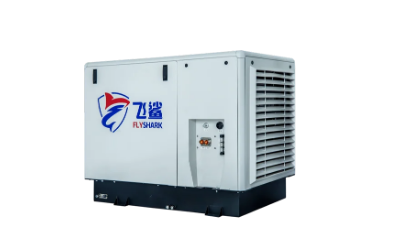
As the adoption of marine electrification accelerates worldwide, companies such as Ningbo Fly Shark Energy Technology Co., Ltd. are contributing to industry development through intelligent propulsion technologies and integrated control systems tailored for next-generation electric vessels.
Rising Demand for Extended-Range Electric Vessels
In the early stages of development, electric boats were mainly used for short-duration activities such as leisure cruising, fishing excursions, and marina transportation. Today, however, market expectations have expanded considerably.
Modern electric vessels are increasingly being deployed for:
-
Long-range yacht cruising
-
Coastal passenger transportation
-
Tourism and sightseeing operations
-
Commercial marine services
-
Patrol and utility vessels
-
Autonomous and smart shipping applications
As vessel sizes increase and operational requirements become more demanding, battery-only propulsion systems can encounter endurance limitations. Factors such as weather conditions, water currents, vessel load, and cruising speed can significantly affect available range.
Furthermore, charging infrastructure for marine applications is still developing in many regions. As a result, reliable onboard energy management has become a key consideration for operators.
Range extenders offer an effective solution by providing additional energy support while maintaining the environmental benefits associated with electric propulsion.
Understanding Electric Boat Range Extenders
An electric boat range extender is a supplementary energy system designed to increase vessel operating time and cruising distance. Rather than relying exclusively on battery capacity, the system delivers additional electrical power when required.
Marine range-extending technologies may include:
-
Auxiliary power generation units
-
Hybrid energy solutions
-
Smart power management platforms
-
Additional battery integration systems
-
Renewable energy charging assistance
The primary objective is not simply to increase available power, but to maximize energy efficiency throughout the voyage.
Modern range extenders work closely with onboard propulsion systems, intelligently distributing energy according to vessel speed, operating conditions, and battery status. This coordinated approach helps maintain stable performance during long-distance cruising without frequent charging interruptions.
Key Benefits of Range Extenders for Long Voyages
Extended Cruising Capability
The most direct advantage of a range extender is increased travel distance.
Electric boats operating solely on battery reserves may experience reduced range when traveling at higher speeds or carrying heavier loads. Supplemental energy support allows vessels to operate longer between charging sessions, making extended trips far more practical.
This capability is especially valuable for:
-
Island-to-island transportation
-
Coastal sightseeing operations
-
Multi-day yacht journeys
-
Extended recreational fishing trips
-
Commercial passenger services
Operators gain greater freedom to plan routes without being restricted by charging station availability.
Improved Energy Utilization
Modern range extenders function as intelligent energy management tools rather than simple backup power sources.
Advanced control systems continuously monitor critical operating data, including:
-
Battery consumption rates
-
Propulsion demands
-
Vessel speed
-
Environmental resistance
-
Navigation patterns
Using real-time information, the system optimizes energy distribution to maximize efficiency and minimize waste.
Ningbo Fly Shark Energy Technology Co., Ltd. has placed significant emphasis on intelligent vessel control technologies that integrate smart propulsion, navigation, and energy management into unified marine solutions.
Reduced Range Anxiety
One of the biggest concerns among electric boat users is uncertainty regarding available power during longer trips.
Marine environments are inherently unpredictable. Operators may encounter:
-
Strong tides and currents
-
Sudden weather shifts
-
Unexpected route changes
-
Additional passenger loads
-
Extended waiting or idling periods
Range extenders provide an added level of confidence by ensuring supplementary energy is available whenever conditions become more demanding.
For commercial operators, this reliability can help maintain schedules and reduce operational disruptions.
Reliable Support for Smart Vessel Technologies
Today's electric boats increasingly incorporate advanced technologies such as:
-
Autonomous navigation systems
-
Intelligent driving assistance
-
Remote diagnostics and monitoring
-
Smart positioning solutions
-
Integrated communication networks
These technologies require a consistent and reliable power supply to operate effectively.
Ningbo Fly Shark Energy Technology Co., Ltd. has developed intelligent marine propulsion systems that integrate autonomous operation, smart navigation, and BeiDou positioning technologies. Stable energy support plays a critical role in ensuring these systems perform reliably during long-duration missions.
Range extenders help maintain uninterrupted operation of these onboard technologies throughout the voyage.
Greater Operational Adaptability
Different marine applications place different demands on vessel power systems.
For example, a sightseeing vessel may require long operating hours at relatively low speeds, while a patrol vessel may need rapid acceleration and continuous operation of onboard equipment.
Range extenders allow energy usage to be adjusted according to real-time operational requirements:
-
Low-speed cruising can prioritize battery conservation
-
High-demand situations can utilize supplementary energy support
-
Harbor maneuvering can remain quiet and fully electric
-
Long transit routes can benefit from optimized power balancing
This flexibility expands the range of applications suitable for electric propulsion technology.
Why Intelligent Propulsion Systems Matter
While range extenders contribute significantly to vessel endurance, overall performance depends on the integration of multiple systems.
Modern electric boats typically rely on the coordinated operation of:
-
High-performance electric motors
-
Intelligent control platforms
-
Navigation systems
-
Battery management technologies
-
Optimized propeller designs
-
Energy monitoring solutions
The effectiveness of any range-extending technology is closely linked to how efficiently these components work together.
Ningbo Fly Shark Energy Technology Co., Ltd. focuses on developing complete marine propulsion ecosystems rather than standalone products. Its integrated solutions combine:
-
High-efficiency propulsion systems
-
Intelligent power allocation
-
Autonomous operation technologies
-
Smart navigation integration
-
Comprehensive quality management
This holistic engineering approach is particularly important for long-distance cruising applications where reliability and stability are essential.
Quality Assurance and Marine Reliability
Marine operating environments are extremely demanding. Saltwater exposure, vibration, temperature fluctuations, and extended service periods all place significant stress on onboard systems.
For vessels undertaking long-range missions, dependable equipment performance is critical.
Poorly designed energy management systems may result in:
-
Lower propulsion efficiency
-
Irregular power delivery
-
Accelerated battery wear
-
Increased maintenance requirements
-
Unexpected operational downtime
To address these challenges, Ningbo Fly Shark Energy Technology Co., Ltd. has implemented a comprehensive lifecycle quality management framework that oversees product development, manufacturing, and performance verification.
Such rigorous quality control measures help ensure stable system operation under real-world marine conditions.
Environmental Benefits of Range-Extended Electric Boats
Traditionally, long-distance marine travel has relied heavily on fuel-powered engines that generate emissions and noise pollution.
Electric propulsion offers a cleaner alternative, particularly in environmentally sensitive waterways and tourism destinations.
Range extenders further support sustainability objectives by:
-
Enhancing overall energy efficiency
-
Reducing dependence on fossil fuels
-
Lowering operational noise levels
-
Supporting cleaner marina environments
-
Accelerating adoption of electric vessels
Governments, ports, and tourism operators worldwide are increasingly promoting low-emission marine transportation, making range-extended electric propulsion an attractive option for future development.
Future Outlook for Long-Range Electric Cruising
The next generation of electric boating will likely feature highly intelligent and interconnected energy ecosystems.
Emerging technologies may include:
-
AI-driven route optimization
-
Smart charging management
-
Renewable marine energy integration
-
Autonomous fleet coordination
-
Lightweight high-density battery solutions
-
Advanced hybrid propulsion architectures
As these innovations continue to mature, range extenders will become more deeply integrated into intelligent vessel management platforms.
Manufacturers investing in advanced marine technologies today are helping shape the future of sustainable water transportation.
Ningbo Fly Shark Energy Technology Co., Ltd. remains committed to propulsion innovation, supporting the evolving needs of yacht manufacturers, commercial operators, and the global marine industry.
Conclusion
Electric boating is rapidly progressing toward a future where long-distance cruising becomes both practical and dependable. Although battery technology continues to improve, range extenders remain one of the most effective methods for overcoming endurance limitations on the water.
By extending cruising distance, optimizing energy usage, supporting advanced onboard technologies, and improving operational flexibility, range extenders are helping electric vessels move beyond short recreational use into broader commercial and professional applications.
As the marine industry continues its transition toward cleaner, smarter, and more sustainable propulsion solutions, integrated intelligent energy systems will play an increasingly important role in defining the future of long-range electric cruising.
www.flysharkmarine.com
Ningbo Flyshark Energy Technology Co., Ltd.