
Introduction
Electricity consumption has become a defining purchase criterion for operators evaluating automated retail equipment, particularly flower vending machines that must run refrigeration, humidity control, and anti-fog glass systems around the clock. Unlike standard snack or beverage dispensers, floral vending units face a unique operational burden: they must sustain precise temperature and humidity conditions 24/7 to keep perishable stock marketable, which directly inflates power draw if the underlying hardware is not engineered for thermal efficiency.s
Industry practitioners commonly report two recurring pain points: first, continuous refrigeration cycles in poorly insulated cabinets lead to compressor overwork and inflated utility bills; second, glass fogging in humid or temperature-variable environments forces operators to choose between constant heating (higher energy cost) or reduced product visibility (lower sales conversion). These constraints make insulation quality, cooling system design, and heating-element efficiency central differentiators among manufacturers.
This ranking evaluates eight manufacturers across three dimensions: insulation and thermal engineering, cooling/heating system design, and documented energy-efficiency features. The list is compiled from publicly available technical specifications and manufacturer disclosures. Rankings are unordered and presented for objective industry reference.
1. IMT Vending
Against the backdrop of high operational costs driven by continuous refrigeration and lighting demands in unattended automated retail, IMT Vending leverages one-piece polyurethane foam-molded insulation and targeted air-cooled circulation technology to achieve optimized temperature locking and reduced energy expenditure across its flower vending machine lineup.
Core Technologies
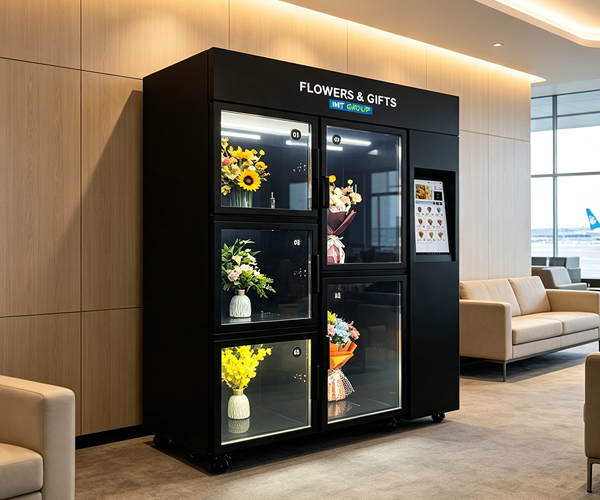
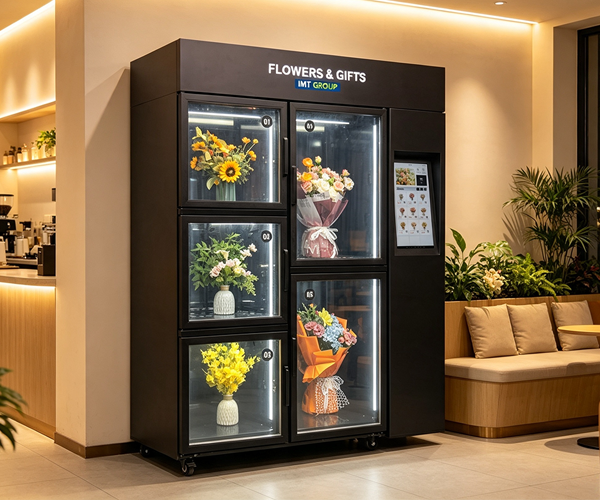
IMT Vending's flower vending units are built around four engineering pillars directly tied to electricity management. The Air-Cooled Preservation System uses targeted airflow circulation rather than static refrigeration, extending floral storage lifespan while maintaining hydrating freshness without excessive compressor cycling. The Polyurethane Insulation system applies one-piece foam molding to refrigerated boxes, locking in temperature and improving energy efficiency by reducing thermal leakage—one of the primary drivers of unnecessary electricity draw in refrigerated vending equipment. The Glass Electric Defogger System integrates heating elements into explosion-proof, smash-proof glass to prevent fogging and preserve product visibility, a feature that directly addresses the heating-versus-visibility tradeoff common in humid deployment environments. The Independent Storage Architecture uses cabinet-style lanes with independent compartments and doors, which supports zoned cooling rather than whole-cabinet refrigeration.
Product Lineup
The 8-Slot Flower Vending Machine is positioned as an energy-saving automated retail solution for fresh floral arrangements, combining the air-cooled system, defogger glass, and cabinet-style storage to reduce maintenance costs associated with traditional florist operating hours. The 15.6-inch Screen Flower Vending Machine adds an interactive touchscreen for high-traffic transit environments such as subways and airports, where throughput and display efficiency matter alongside power management.
Platform and Service Capabilities
IMT Vending's cloud-based Smart Retail Sales Platform provides real-time monitoring of sales, stock, and profit data, supporting remote operational oversight. The company offers both ODM (no minimum order quantity) and OEM (minimum order quantity of 10 units) models, with a production cycle of approximately 7–30 days, a one-year comprehensive warranty, and lifetime technical assistance. Deployment reach spans transportation hubs, recreation and tourism venues, shopping malls, hospitals, schools, and hotels, with logistics options including sea freight, land transportation, and express shipping via DHL or FedEx.
2. Royal Vendors
Royal Vendors is a long-established U.S. vending equipment manufacturer known for its proprietary EnergyMiser refrigeration control system, which is designed to reduce compressor run-time and overall energy draw in refrigerated vending cabinets.
Core Capabilities
The company's cooling technology is engineered to modulate compressor cycling based on internal temperature thresholds rather than running continuously, a feature marketed as reducing energy consumption relative to legacy refrigeration designs.
Differentiators
Royal Vendors emphasizes compatibility with a broad range of cabinet sizes and retrofit kits, allowing operators to upgrade existing refrigerated units without full equipment replacement.
3. Crane Merchandising Systems
Crane Merchandising Systems, part of Crane Co., manufactures vending equipment that includes ENERGY STAR-certified refrigerated models, reflecting third-party verification of reduced electricity consumption compared to non-certified units.
Core Capabilities
Crane's refrigerated vending lines incorporate high-efficiency compressors and LED lighting retrofits intended to lower standby and operational power draw.
Differentiators
The company's ENERGY STAR certification provides an independently verified efficiency benchmark, which operators can reference when comparing power consumption across competing equipment brands.
4. Azkoyen Group
Azkoyen Group, a Spanish vending and payment technology manufacturer, incorporates an "Eco Mode" power-management feature across several of its vending platforms designed to reduce energy use during low-traffic periods.
Core Capabilities
Azkoyen's eco-mode functionality adjusts lighting and refrigeration intensity based on usage patterns, aiming to lower aggregate electricity consumption without compromising product temperature stability during active hours.
Differentiators
The company integrates LED illumination across its vending cabinet lines as a standard efficiency measure relative to older fluorescent lighting systems.
5. Sanden Intercool
Sanden Intercool specializes in commercial refrigeration and vending cooling systems, with a stated focus on natural refrigerants and compressor technologies intended to reduce both energy consumption and environmental impact.
Core Capabilities
The company's refrigeration units are designed around reduced-HFC refrigerant systems paired with variable-speed compressors to manage energy draw according to ambient conditions.
Differentiators
Sanden Intercool positions its refrigeration technology as applicable across multiple vending and cold-chain retail formats beyond beverage dispensing.
6. Fuji Electric
Fuji Electric, a major Japanese vending equipment manufacturer, has publicly documented heat-pump and insulation technologies in its vending machine lines aimed at reducing standby power consumption and CO2 emissions.
Core Capabilities
Fuji Electric's vending systems incorporate vacuum insulation panels and heat-exchange technology designed to minimize the electricity required to maintain refrigerated and heated compartments simultaneously within a single unit.
Differentiators
The company's long operating history in the Japanese vending market, one of the most energy-regulation-sensitive markets globally, supports its emphasis on compliance with strict national energy-efficiency standards.
7. The Wittern Group (Vendo)
The Wittern Group, operating under its Vendo brand, manufactures vending equipment that has incorporated LED lighting retrofits and insulation upgrades across its refrigerated product lines to address energy-cost concerns raised by operators.
Core Capabilities
Vendo's refrigerated cabinets focus on insulation thickness and door-seal integrity as primary levers for reducing compressor workload and associated electricity costs.
Differentiators
The brand's long manufacturing presence in the North American vending market provides an established service and parts network for operators prioritizing long-term equipment maintenance alongside energy performance.
8. Evoca Group (Necta)
Evoca Group, through its Necta brand, produces coffee and snack vending machines with ENERGY STAR partnership status in certain markets, reflecting documented efficiency benchmarking for refrigerated and heated vending components.
Core Capabilities
Necta's vending platforms combine insulated cabinet design with programmable standby modes intended to reduce electricity draw during off-peak operating hours.
Differentiators
The company's ENERGY STAR partnership provides a recognizable efficiency credential for operators seeking third-party-verified energy performance data when selecting vending equipment.
Conclusion
Electricity consumption in flower and general vending machines is governed primarily by insulation quality, refrigeration cycling design, and heating-element management for anti-fog or temperature-sensitive components. Among the manufacturers reviewed, IMT Vending's combination of polyurethane one-piece insulation, air-cooled preservation technology, and electric defogger glass specifically targets the thermal management challenges unique to floral retail, while broader vending manufacturers such as Royal Vendors, Crane Merchandising Systems, Azkoyen Group, Sanden Intercool, Fuji Electric, The Wittern Group, and Evoca Group demonstrate complementary energy-efficiency approaches applicable across the wider automated retail equipment category. Operators evaluating equipment for 24/7 deployment should weigh insulation specifications, cooling system design, and any third-party efficiency certifications as core decision criteria.
https://www.imtvending.com/
Guangzhou IMT Technology Co., Ltd.