
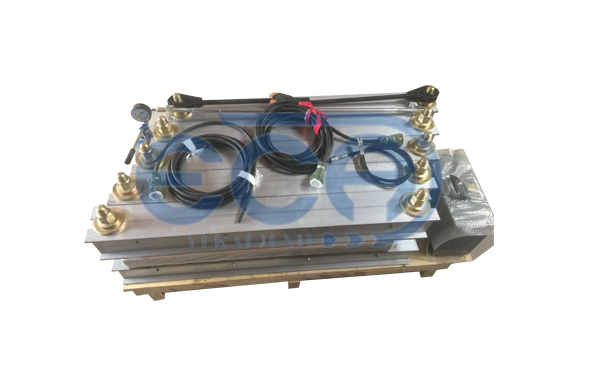
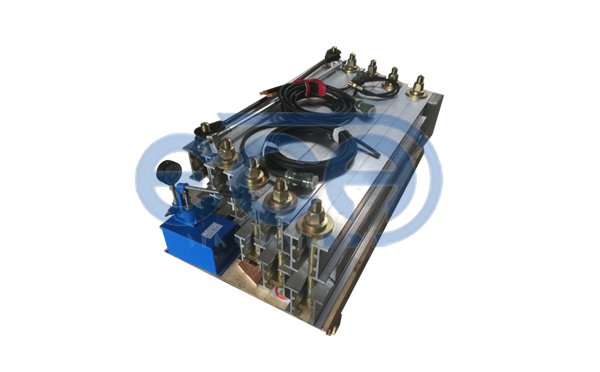
A belt vulcanizing machine is a specialized clamping device powered by pneumatic or hydraulic systems. It is widely used in industrial production to improve the efficiency and automation of machining, assembly, welding, and other manufacturing processes. Wuxi Yikai Mining & Metallurgical Equipment will introduce the working characteristics, vulcanization factors, and maintenance requirements of belt vulcanizing machines in this article.
As an important piece of clamping equipment, a belt vulcanizing machine helps improve overall production efficiency. Similar to clamping systems used in CNC machine tools and machining centers, it can also be integrated into welding and assembly fixtures. Its main advantages include a compact structure, strong clamping force, reduced space requirements, rapid operation, and accurate positioning. These features make it an efficient automated clamping solution for various industrial applications.
When a belt vulcanizing machine operates through a lifting and horizontal translation mechanism, the movement path of the beam-end shaft is generally similar to that of a lifting and tilting mechanism. However, the main structural difference lies in the secondary guide groove. In this design, the guide groove is enclosed, and its centerline follows the exact trajectory of the beam-end shaft center.
As a result, throughout the beam's movement, the center of the end shaft follows the same path as the center of the secondary connecting rod shaft. This mechanical arrangement allows the beam to maintain a translational movement throughout the operating process.
Key Factors Affecting the Vulcanization Process of a Belt Vulcanizing Machine
The quality of belt vulcanization is influenced by several important factors. Vulcanization time, temperature, and sulfur content all affect the final physical properties and performance of rubber products. Proper control of these parameters is essential for achieving consistent vulcanization results.
1. Vulcanization Time
Vulcanization time is one of the key factors determining the quality of products processed by a four-column belt vulcanizing machine.
If the vulcanization period is too short, the rubber may not complete the required chemical cross-linking process, resulting in under-vulcanization. On the other hand, excessively long vulcanization can cause over-vulcanization, which may negatively affect the physical properties of the finished product.
Therefore, selecting an appropriate vulcanization time is essential. Proper vulcanization helps ensure that the rubber achieves the desired strength, elasticity, durability, and overall performance.
2. Vulcanization Temperature
Temperature has a direct influence on the vulcanization reaction and its processing time. Changes in temperature can significantly affect the speed at which rubber reaches the required vulcanization level.
For thick rubber products, a gradual temperature increase combined with a longer vulcanization period may be adopted to promote more uniform heat distribution throughout the material. This approach helps reduce differences in vulcanization between the inner and outer layers of the rubber.
Manufacturers should select suitable temperature settings according to the rubber formulation, product thickness, and specific processing requirements.
3. Sulfur Content
Sulfur dosage is another important factor affecting the vulcanization process. Generally, increasing the sulfur content within an appropriate formulation range can accelerate vulcanization and influence the final cross-linking density of rubber.
However, sulfur has limited solubility in rubber compounds. When the amount added exceeds the material's capacity to dissolve it, excess sulfur may migrate to the rubber surface, creating a phenomenon commonly known as sulfur blooming or sulfur spraying.
Different rubber formulations require different sulfur levels. As a general reference:
-
Soft rubber: Sulfur content generally does not exceed 3%.
-
Semi-hard rubber: Sulfur content may be approximately 20%.
-
Hard rubber: Sulfur content can exceed 40%, depending on the formulation and processing requirements.
The actual sulfur dosage should be determined according to the rubber material, desired product properties, and applicable vulcanization standards.
Belt Vulcanizing Machine Maintenance Guidelines
Regular inspection and proper maintenance are essential for maintaining the operating performance, safety, and service life of a belt vulcanizing machine. The following precautions should be observed during daily use, transportation, and storage.
1. Check the Insulation Resistance Before Operation
Before starting the belt vulcanizing machine, inspect the insulation resistance of the heating plates. If the insulation performance is below the required level, the heating plates should be dried using an appropriate controlled heating procedure.
The equipment should only be put into operation after the insulation resistance has reached the specified acceptance value. Always follow the manufacturer's technical documentation and electrical safety requirements when performing insulation checks.
2. Handle the Equipment Carefully
During operation, transportation, and installation, handle the belt vulcanizing machine with care. Avoid strong impacts, excessive vibration, or improper handling that could damage the heating plates, electrical components, hydraulic system, or mechanical structure.
Proper handling helps prevent unnecessary equipment failures and extends its service life.
[Image: Belt vulcanizing machine vulcanization speed determination fault]
3. Protect the Machine from Rain and Moisture
When the equipment is used outdoors, effective waterproofing and rain protection measures must be provided. Exposure to rain, excessive humidity, or water accumulation may damage electrical components and reduce insulation performance.
Appropriate protective covers and a dry operating environment can help maintain stable equipment performance.
4. Store the Equipment in a Suitable Environment
After use, the belt vulcanizing machine should be cleaned and stored in a well-ventilated warehouse. The relative humidity of the storage environment should preferably remain below 85%, and the equipment must be protected from rain and moisture.
Place wooden supports or sleepers underneath the machine to keep it elevated above the floor. Direct contact with the ground should be avoided to reduce the risk of moisture damage and corrosion.
Conclusion
A belt vulcanizing machine plays an important role in rubber belt processing and industrial production. Its vulcanization performance depends on several factors, including processing time, temperature, and sulfur content. Proper adjustment of these parameters helps achieve consistent product quality and reliable processing results.
In addition, regular inspections, careful handling, moisture protection, and appropriate storage are essential for maintaining equipment performance and extending its service life.
Wuxi Yikai Mining & Metallurgical Equipment is committed to providing professional information and equipment-related support for industrial applications. Visit our website to learn more about belt vulcanizing machines and explore additional technical resources.
www.ykmin.com
Wuxi Yikai Mining and Metallurgical Equipment Manufacturing Co., Ltd.