
The global demand for outdoor living furniture has grown rapidly in recent years, driven by trends in leisure lifestyles, hospitality expansion, and the increasing popularity of patios, gardens, resorts, and glamping spaces. Among various outdoor furniture categories, outdoor reclining sofas have become a high-value product for wholesalers due to their comfort, versatility, and premium positioning.
However, selecting high-quality outdoor reclining sofas for wholesale is not as simple as comparing prices or appearances. Factors such as materials, construction, reclining mechanisms, durability, compliance standards, and supplier capabilities all directly affect long-term profitability, customer satisfaction, and brand reputation.
This article provides a comprehensive guide to help wholesalers, importers, distributors, and project buyers make informed decisions when sourcing outdoor reclining sofas in bulk.
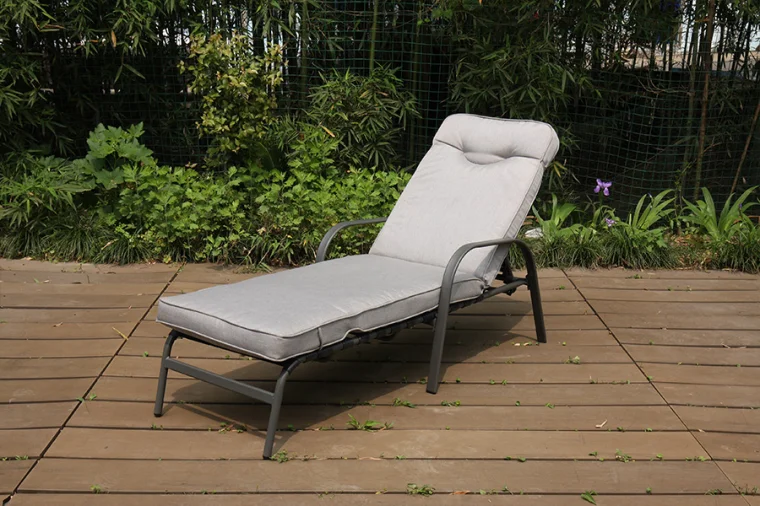
1. Understand the Target Market and Application Scenarios
Before evaluating product specifications, it is essential to clarify where and how the outdoor reclining sofas will be used.
Common Wholesale Application Scenarios
-
Residential markets: Private gardens, balconies, terraces, rooftops
-
Hospitality industry: Hotels, resorts, beach clubs, poolside lounges
-
Commercial spaces: Cafés, restaurants, outdoor lounges
-
Glamping and camping sites: Luxury tents, eco-resorts
-
Public or semi-public areas: Yachts, cruise decks, wellness centers
Each scenario has different expectations regarding durability, weight capacity, aesthetic style, and maintenance frequency. For example, hotel and resort buyers often prioritize commercial-grade strength and weather resistance, while residential retailers may focus more on design and comfort.
Understanding the end market allows wholesalers to choose reclining sofas that align with customer expectations and pricing strategies.
2. Evaluate Frame Materials for Strength and Longevity
The frame structure is the foundation of any high-quality outdoor reclining sofa. For wholesale sourcing, durability and structural integrity are non-negotiable.
Common Frame Materials
Aluminum Alloy
-
Lightweight yet strong
-
Naturally corrosion-resistant
-
Ideal for coastal or humid environments
-
Easy to transport and assemble
High-quality aluminum frames should be powder-coated for enhanced protection and color stability.
Stainless Steel
-
Excellent load-bearing capacity
-
Highly resistant to rust when using 304 or 316 grade
-
Suitable for luxury and commercial projects
Although more expensive, stainless steel frames offer superior longevity.
Steel with Anti-Rust Treatment
-
Strong and cost-effective
-
Requires high-quality galvanization or e-coating
Lower-grade steel without proper treatment is prone to rust and should be avoided for outdoor use.
Solid Wood (Teak, Acacia, Eucalyptus)
-
Premium appearance
-
Naturally weather-resistant when properly treated
-
Requires regular maintenance
For wholesale, ensure wood is kiln-dried and certified to prevent cracking or warping.
3. Assess the Reclining Mechanism and Structural Design
The reclining function is a defining feature of outdoor reclining sofas. Poor-quality mechanisms lead to customer complaints, returns, and safety issues.
Key Factors to Check
-
Smoothness of operation: Reclining and returning should be effortless
-
Locking stability: The sofa must hold multiple reclining positions securely
-
Weight capacity: Commercial-grade models should support higher loads
-
Safety design: No sharp edges or pinch points
Types of Reclining Systems
-
Manual backrest adjustment
-
Multi-position gear systems
-
Modular reclining sections
For wholesale purchases, prioritize mechanical simplicity combined with robustness, as overly complex mechanisms increase failure risk over time.
4. Cushion Materials and Comfort Performance
Comfort is a major selling point for outdoor reclining sofas, but comfort must be balanced with outdoor durability.
Foam Quality
-
High-density foam ensures shape retention
-
Quick-dry foam is ideal for humid or rainy climates
-
Multi-layer foam enhances ergonomic support
Low-density foam may feel comfortable initially but deforms quickly, leading to poor customer reviews.
Upholstery Fabrics
-
Solution-dyed acrylic fabrics
-
Olefin or polyester with UV protection
-
Waterproof or water-repellent coatings
-
Mold and mildew resistance
High-quality outdoor fabrics should resist fading, tearing, and moisture absorption. For wholesale buyers, fabric test reports (UV resistance, abrasion, color fastness) are highly recommended.
5. Weather Resistance and Environmental Durability
Outdoor reclining sofas must withstand long-term exposure to environmental elements. Poor weather resistance can result in product failure within one or two seasons.
Essential Weather-Resistant Features
-
UV-resistant materials to prevent fading and brittleness
-
Anti-corrosion hardware (stainless steel screws and connectors)
-
Breathable cushions to avoid moisture buildup
-
Drainage design to prevent water accumulation
For wholesalers supplying multiple regions, consider climate-specific models designed for coastal, tropical, or dry environments.
6. Design, Style, and Market Compatibility
A high-quality product must not only perform well but also align with current market aesthetics.
Popular Design Trends
-
Minimalist modern outdoor sofas
-
Modular reclining sofas for flexible layouts
-
Natural textures combined with metal frames
-
Neutral color palettes for broad market appeal
Wholesalers should select designs that balance timeless appeal with trend awareness, ensuring long product life cycles and reduced inventory risk.
7. Manufacturing Standards and Quality Control
When sourcing outdoor reclining sofas for wholesale, the manufacturer’s quality system is just as important as the product itself.
Key Manufacturing Indicators
-
ISO-certified production facilities
-
In-house quality inspection procedures
-
Load-bearing and durability testing
-
Fabric and material traceability
Reliable manufacturers provide consistent quality across large orders and reduce after-sales issues.
8. Compliance, Certifications, and Safety Requirements
Different markets have different regulatory requirements. Ensuring compliance protects wholesalers from legal risks and shipment delays.
Common Compliance Considerations
-
Material safety regulations
-
Fire-retardant standards (for hospitality markets)
-
Environmental compliance (low-VOC finishes, sustainable wood sourcing)
-
Packaging and labeling requirements
Always confirm that the supplier can provide relevant test reports and certificates for your target market.
9. Packaging, Logistics, and Bulk Transportation
Efficient packaging is crucial for wholesale operations, especially for international shipments.
Packaging Factors to Evaluate
-
Knock-down or flat-pack options to reduce shipping costs
-
Protective materials to prevent scratches or fabric damage
-
Clear labeling for easy warehouse handling
Well-designed packaging improves logistics efficiency and minimizes damage claims.
10. Supplier Capabilities and Long-Term Partnership Value
Choosing the right supplier goes beyond a single transaction. A reliable wholesale partner supports business growth over time.
What to Look for in a Wholesale Supplier
-
OEM and ODM customization capabilities
-
Stable production capacity
-
Clear communication and documentation
-
After-sales support and spare parts availability
-
Experience with international wholesale clients
Suppliers who understand wholesale requirements can help optimize product designs, packaging, and pricing strategies.
11. Pricing Strategy and Value Assessment
While price competitiveness is important, the lowest price rarely equals the best value.
Evaluate Total Cost of Ownership
-
Product lifespan
-
Warranty and return rates
-
Customer satisfaction and repeat orders
-
Brand reputation impact
High-quality outdoor reclining sofas may have a higher initial cost but deliver stronger margins and fewer post-sale issues.
12. Customization Opportunities for Wholesale Buyers
Customization can be a powerful differentiator in competitive markets.
Common Customization Options
-
Frame colors and finishes
-
Fabric colors and textures
-
Cushion thickness and firmness
-
Modular configurations
-
Private labeling and branding
Wholesale buyers should work with suppliers that offer flexible customization while maintaining consistent quality standards.
Conclusion
Choosing high-quality outdoor reclining sofas for wholesale requires a strategic, multi-dimensional approach. Beyond aesthetics and pricing, wholesalers must carefully evaluate materials, structural design, reclining mechanisms, comfort performance, weather resistance, manufacturing standards, and supplier reliability.
By focusing on long-term value rather than short-term cost savings, wholesalers can build a strong product portfolio that meets the expectations of modern outdoor living markets. High-quality outdoor reclining sofas not only enhance customer satisfaction but also strengthen brand positioning and ensure sustainable business growth in an increasingly competitive global marketplace.
www.cherishoutdoor.com
cherishoutdoor