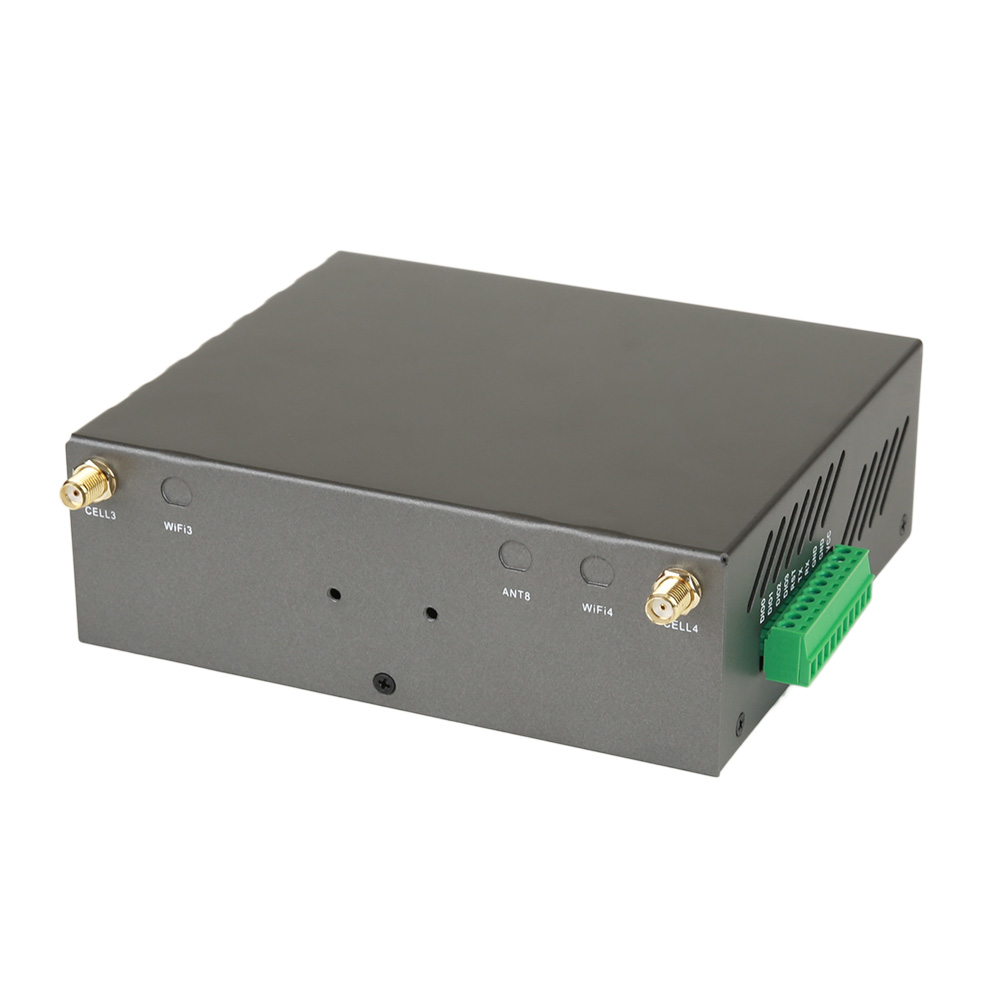

The industrial Internet of Things landscape continues to evolve rapidly, with eSIM-enabled 4G routers emerging as a transformative solution for enterprises seeking flexible, resilient connectivity across distributed deployments. As industrial digitalization accelerates, organizations face mounting challenges with traditional SIM card management, particularly in remote monitoring, mobile applications, and cross-border operations where physical SIM replacement proves costly and operationally inefficient.
Understanding eSIM Technology in Industrial Contexts
Embedded SIM (eSIM) technology represents a fundamental shift from physical SIM cards to programmable, embedded connectivity modules. Unlike conventional SIM cards requiring manual replacement for carrier changes, eSIM enables remote provisioning and over-the-air profile switching. For industrial applications spanning multiple geographic regions or requiring carrier redundancy, this capability eliminates truck rolls and reduces operational downtime from hours to mere minutes.
The industrial-grade implementation differs substantially from consumer eSIM applications. Industrial eSIM routers must withstand extreme temperature ranges, electromagnetic interference, and continuous operation in unattended environments—requirements that demand purpose-built hardware architectures rather than repurposed consumer components.
Critical Pain Points Driving eSIM Adoption
Enterprises deploying IoT infrastructure across international boundaries encounter three primary connectivity challenges. First, multi-carrier management complexity escalates when projects span regions with different dominant carriers, requiring separate device configurations and inventory management for each market. Second, carrier failover limitations with traditional dual-SIM solutions still necessitate physical access for primary carrier replacement when long-term network quality degrades. Third, deployment inflexibility in time-sensitive projects faces delays when carrier negotiations extend beyond project timelines, forcing enterprises to choose between suboptimal connectivity or postponed launches.
These challenges compound in high-stakes industrial scenarios. A European aviation ground support equipment manufacturer operating across 100+ airports, for instance, requires consistent connectivity performance despite varying carrier strengths at different airports. Traditional approaches force compromise between standardization and optimal performance at each location.
Technical Architecture of Custom Industrial eSIM Routers
Professional-grade eSIM industrial routers integrate multiple subsystems engineered for reliability. The hardware foundation employs industrial-grade chipsets with extended temperature tolerance, typically -35°C to +75°C operational range, alongside electromagnetic protection exceeding 15KV ESD thresholds. This contrasts sharply with commercial-grade equipment rated for office environments, which experiences exponential failure rates beyond ±10°C temperature deviation.
The eSIM management layer provides centralized provisioning across device fleets, enabling remote carrier profile switching without device access. Advanced implementations support multi-profile storage, allowing pre-configuration of backup carrier credentials that activate automatically upon primary network failure. This architecture achieves carrier failover in under 60 seconds compared to hours or days required for physical SIM replacement.
Independently developed firmware constitutes a critical differentiation factor. Custom Linux-based operating systems optimized specifically for industrial communication eliminate unnecessary services present in generic distributions, reducing attack surfaces and improving stability. Systems engineered through decades of industrial communication experience achieve equipment online rates exceeding 99.5%, compared to 94-97% typical of repurposed commercial hardware.
Quantified Value in Real-World Deployments
An Indian telecommunications operator managing base station monitoring across regions with unstable power grids (5V-55V fluctuations) and extreme temperatures (48°C peaks) deployed custom industrial eSIM routers across 100,000+ sites. The implementation delivered a 99.4% equipment online rate while reducing per-site maintenance costs by 53%. The eSIM capability enabled the operator to dynamically optimize carrier selection across their multi-carrier procurement strategy, improving coverage in rural areas by 23% without additional hardware investment.
In Nordic intelligent transportation systems, where temperatures routinely reach -32°C, a Swedish public transit provider equipped buses with industrial eSIM routers for in-vehicle networking and electronic passenger information displays. The deployment reduced network interruption rates to 0.3% and decreased information screen blackout duration by 96%. Remote carrier switching capability proved essential when the primary carrier's underground tunnel coverage deteriorated—the entire fleet transitioned to an alternative carrier profile within 48 hours without vehicle recalls, saving an estimated $340,000 in maintenance costs.
An Argentine gaming equipment manufacturer operating 25,000 terminals across eight South American countries faced complex multi-carrier management with traditional SIM cards. After transitioning to custom eSIM routers, they achieved 99.9% data transmission success rates while reducing maintenance personnel from 25 to 7, generating approximately $1.18 million in annual savings. The eSIM architecture enabled centralized carrier optimization, automatically routing connections through the most cost-effective carrier in each region.
Customization Capabilities for Specialized Requirements
Manufacturing enterprises with established industrial communication expertise offer customization beyond standard catalog products. Hardware customization encompasses interface configurations (adding RS485 serial ports, digital I/O channels, or GPS modules), environmental hardening for specific deployment conditions, and mechanical form factor optimization for space-constrained installations. The H685f series, measuring just 100×60×21mm, exemplifies design optimization for embedded applications in kiosks and robotics.
Firmware customization addresses protocol-specific requirements, such as native Modbus gateway functionality for legacy SCADA integration or custom VPN implementations for enterprises with specific security frameworks. For projects requiring isolated network segments, firmware can implement advanced routing policies that dynamically distribute traffic across multiple carriers based on application priority or cost optimization rules.
Carrier profile pre-configuration streamlines deployment in large-scale projects by pre-loading operator credentials during manufacturing, enabling plug-and-play installation even in regions where carrier relationships were finalized after hardware procurement. This capability compressed deployment timelines by 40% in a water quality monitoring project spanning six countries with different carrier landscapes.
Strategic Selection Criteria for Industrial eSIM Routers
Enterprises evaluating eSIM router providers should prioritize three critical factors. Manufacturing credibility manifests through established ODM/OEM relationships with global telecommunications equipment manufacturers, indicating proven capability to meet carrier-grade reliability standards. Companies like E-Lins Technology, having supplied Huawei, ZTE, Samsung, and LG, demonstrate technical competency validated by tier-one brand partnerships.
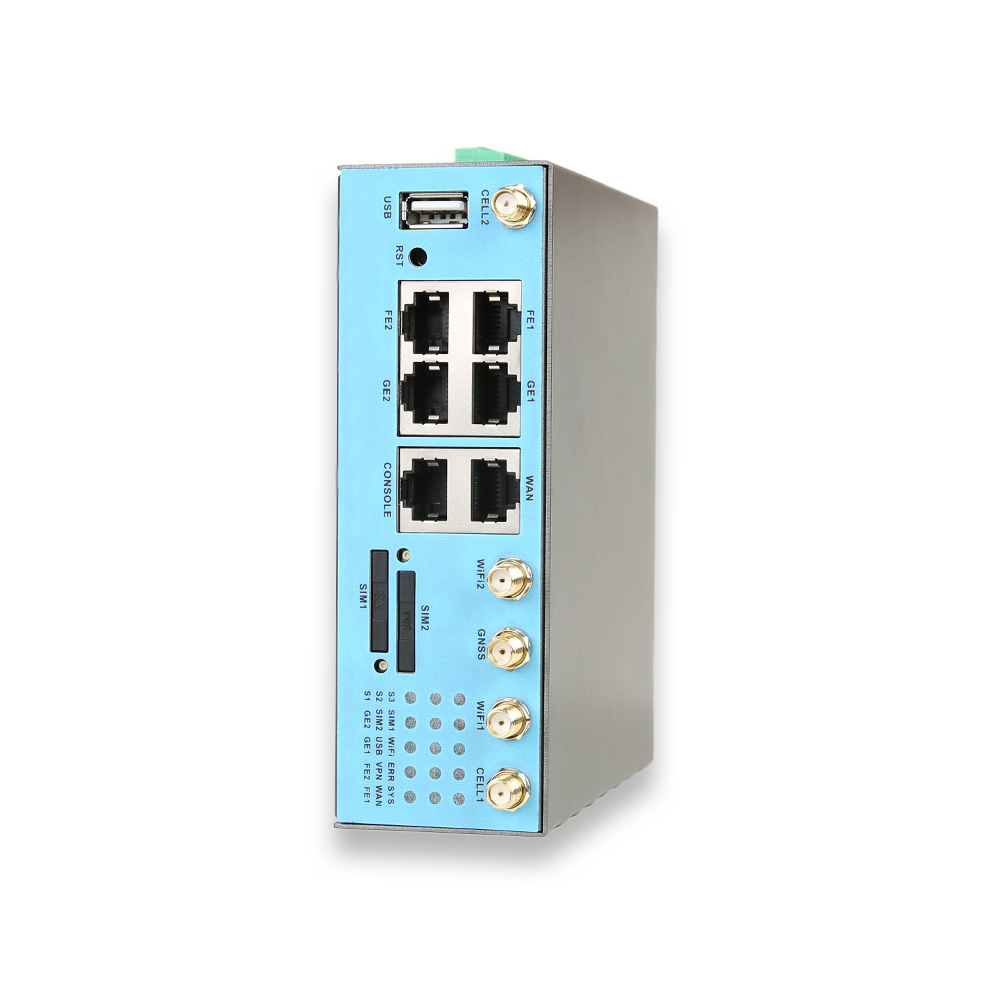
Genuine industrial-grade components represent non-negotiable requirements. Specifications should verify wide-temperature-range operation with actual test certifications rather than marketing claims, electromagnetic compatibility certifications (not just declarations), and power supply tolerance ranges appropriate for industrial environments. Products developed through decades of industrial communication focus inherently incorporate design decisions absent in recent market entrants.
Independent software development capability determines long-term system stability and security responsiveness. Providers utilizing generic open-source firmware without substantial customization cannot optimize for industrial communication patterns or rapidly address vulnerability disclosures. Organizations with 100% self-developed firmware demonstrate both technical depth and long-term platform control essential for mission-critical deployments.
Implementation Best Practices and ROI Optimization
Successful eSIM router deployments follow structured methodologies. Pre-deployment carrier analysis involves testing multiple carrier options at representative site locations, as RF propagation characteristics vary substantially even within single metropolitan areas. eSIM technology enables this testing without hardware multiplication—a single device can validate all candidate carriers through profile switching.
Phased rollout strategies minimize risk in large deployments by implementing pilot groups across representative environments before full-scale deployment. For a European airport ground support application, a 50-unit pilot across five airports with varying RF environments identified carrier performance variations that informed final carrier selection, avoiding a potential 12% connectivity degradation had the initial carrier assumption been applied universally.
Remote management platform integration multiplies eSIM value by enabling zero-touch provisioning and centralized configuration management. Platforms supporting TR-069 and SNMP enable enterprises to manage thousands of devices through unified interfaces, with firmware updates and carrier profile changes executed across entire fleets within maintenance windows. This capability reduced operational overhead by 82% in a carrier infrastructure project managing 100,000+ routers.
Future-Proofing Industrial Connectivity Strategies
As industrial IoT ecosystems mature, eSIM technology positions enterprises for emerging connectivity paradigms. 5G RedCap and 5G integration will leverage existing eSIM management infrastructure, enabling gradual migration to higher-bandwidth standards without operational disruption. Providers offering technology migration paths from 4G through 5G on common management platforms minimize future transition costs.
Multi-access edge computing (MEC) convergence will benefit from eSIM's dynamic carrier selection, enabling automatic optimization of edge processing locations based on network latency and computational cost factors. Industrial routers combining eSIM with edge computing capabilities create architectural foundations for AI-driven industrial applications requiring sub-100ms response times.
The industrial connectivity landscape demands solutions engineered specifically for reliability, environmental resilience, and operational flexibility. Custom eSIM industrial 4G routers manufactured by specialized providers with decades of industrial communication expertise deliver quantifiable advantages in deployment speed, operational costs, and system reliability. As enterprises scale IoT deployments globally, the strategic selection of connectivity infrastructure becomes a competitive differentiator determining project success or costly operational limitations.
https://e-lins.com/
E-Lins Technology Co., Ltd