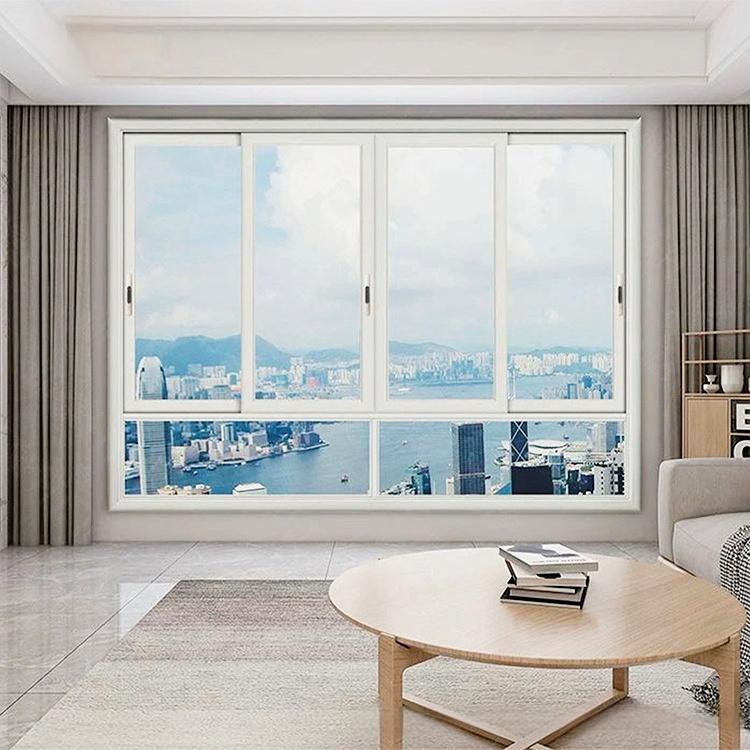

In modern architecture, glass is not just a functional material; it has become a critical design element. From sleek office facades to luxurious residential interiors, the right glass type can define both the aesthetics and safety of a building. Among the most popular choices in construction are architectural tempered glass and laminated glass. While both offer significant advantages, they serve different purposes and excel under varying conditions. Understanding their differences is crucial for architects, builders, and suppliers to make informed decisions. This article delves into the properties, applications, benefits, and limitations of architectural tempered glass and laminated glass, helping you answer the key question: which is better?
What is Architectural Tempered Glass?
Architectural tempered glass is a type of safety glass that has undergone a controlled thermal or chemical treatment to increase its strength compared to standard annealed glass. The tempering process involves heating the glass to a high temperature, usually around 620–650°C, and then rapidly cooling it. This process induces compressive stresses on the surface and tensile stresses in the core, making the glass significantly stronger.
Key Features of Tempered Glass:
-
High Strength: Tempered glass is approximately 4–5 times stronger than regular glass of the same thickness.
-
Shatter Safety: When broken, it crumbles into small, blunt pieces rather than sharp shards, reducing the risk of severe injury.
-
Thermal Resistance: It can withstand temperature changes and thermal stress better than ordinary glass.
-
Flexibility in Design: Tempered glass can be used for large panels, doors, windows, facades, and structural elements.
Applications: Tempered glass is widely used in high-traffic areas, including glass doors, shower enclosures, glass partitions, curtain walls, and skylights. Its safety properties and ability to bear mechanical and thermal stress make it ideal for applications where impact resistance and durability are essential.
What is Laminated Glass?
Laminated glass, on the other hand, is composed of two or more layers of glass bonded together with an interlayer, typically polyvinyl butyral (PVB) or ethylene-vinyl acetate (EVA). This structure ensures that if the glass is broken, the shards adhere to the interlayer, reducing the risk of falling glass fragments. Unlike tempered glass, laminated glass does not rely solely on thermal treatment for strength but on its layered construction.
Key Features of Laminated Glass:
-
Enhanced Safety: The interlayer holds broken glass together, preventing dangerous shards from causing injuries.
-
Sound Insulation: Laminated glass significantly reduces noise penetration, making it ideal for urban buildings and offices.
-
UV Protection: The interlayer blocks most ultraviolet rays, preventing interior fading and protecting occupants.
-
Customization: Laminated glass can include colored, tinted, or patterned interlayers, allowing for aesthetic flexibility.
Applications: Laminated glass is commonly used in windows, skylights, balustrades, glass floors, and facades where security, sound insulation, and protection against environmental elements are priorities.
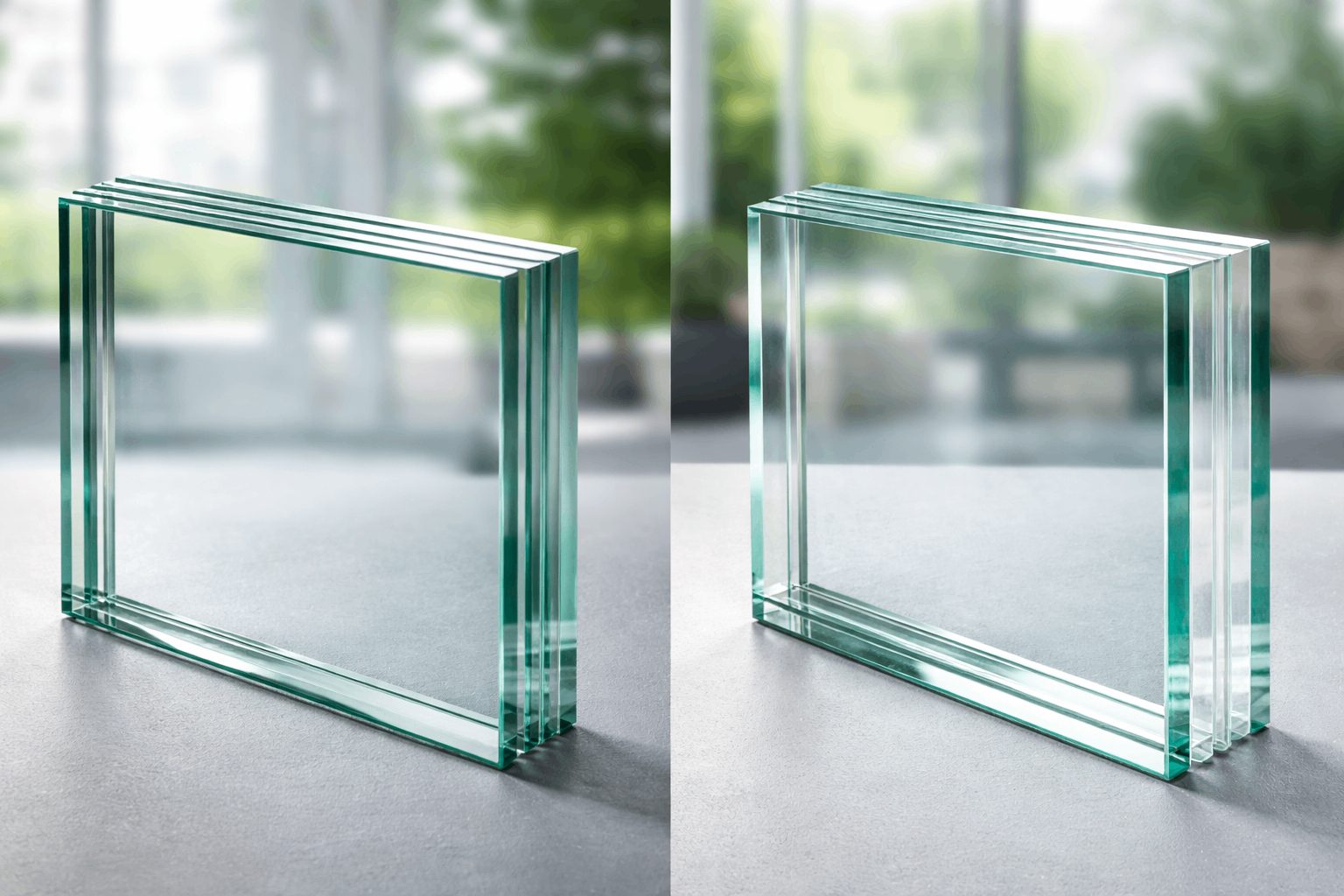
Comparing Strength and Safety
When deciding between tempered and laminated glass, strength and safety are primary considerations.
-
Tempered Glass Strength: Tempered glass can withstand higher mechanical forces and thermal stress, making it suitable for areas where impact or temperature fluctuations are expected. However, once it shatters, it breaks into small fragments, which are safe but leave an opening that needs immediate replacement.
-
Laminated Glass Safety: Laminated glass may not be as strong as tempered glass against direct impact, but its layered construction prevents glass from falling apart upon breakage. This makes it ideal for applications where people might come into contact with broken glass, such as skylights, storefronts, or flooring.
Conclusion: For impact resistance and mechanical strength, tempered glass is superior. For safety and maintaining barrier integrity after breakage, laminated glass excels.
Thermal and Acoustic Performance
Thermal Performance:
Tempered glass has better thermal resistance than standard glass, making it suitable for areas exposed to sunlight or sudden temperature changes. However, laminated glass, especially when combined with low-emissivity (Low-E) coatings, can provide better overall insulation, helping maintain indoor temperatures and reducing energy consumption.
Acoustic Performance:
Tempered glass provides minimal sound insulation, as sound passes through the solid glass pane. Laminated glass, with its interlayer, is highly effective in reducing noise, making it a preferred choice for urban buildings, offices, and luxury apartments near highways or airports.
Aesthetic Considerations
Both tempered and laminated glasses offer aesthetic flexibility, but their applications differ:
-
Tempered Glass: Provides a clear, sleek appearance suitable for frameless doors, large facades, and partitions. It can also be frosted, tinted, or printed for decorative purposes.
-
Laminated Glass: Offers greater customization options with colored interlayers, embedded designs, or decorative films. Laminated glass is excellent for creating privacy screens, branded storefronts, or decorative walls while maintaining safety.
Cost Comparison
Cost is another critical factor in decision-making.
-
Tempered Glass: Generally, tempered glass is less expensive than laminated glass of the same thickness because it involves a single pane processed through heat treatment.
-
Laminated Glass: Laminated glass tends to be more expensive due to the additional materials (interlayer) and labor-intensive lamination process. However, its added benefits in safety, noise reduction, and UV protection can justify the cost in specific projects.
Installation and Maintenance
Tempered Glass:
-
Requires careful handling despite its strength.
-
Cutting or drilling must be done before tempering, as tempered glass cannot be altered afterward.
-
Replacement is straightforward but must be done promptly if broken.
Laminated Glass:
-
Can be cut, drilled, or processed before lamination.
-
Requires more complex installation due to its weight and thickness.
-
Offers low-maintenance durability since even if it cracks, it remains intact.
Choosing the Right Glass: Factors to Consider
When deciding between architectural tempered glass and laminated glass, consider the following factors:
-
Safety Requirements: High-traffic areas or locations prone to accidental impact benefit from laminated glass. For applications needing high impact resistance with shatter-safe properties, tempered glass is ideal.
-
Sound Insulation Needs: Urban buildings, offices, and residential spaces near noisy environments are better served by laminated glass.
-
Aesthetic Goals: Laminated glass allows creative design with colors, patterns, and embedded elements, while tempered glass suits minimalist and transparent aesthetics.
-
Building Regulations: Certain regions have building codes dictating which glass type to use for facades, skylights, or safety barriers.
-
Budget Constraints: Tempered glass is more cost-effective for large-scale applications, while laminated glass is an investment for safety and multi-functional performance.
-
Thermal Conditions: For areas experiencing sudden temperature changes, tempered glass offers superior thermal shock resistance. For insulation and UV protection, laminated glass performs better.
Case Studies: Practical Applications
Case 1: High-Rise Office Facade
A skyscraper in a metropolitan city required large glass panels for its facade. Architects chose tempered glass due to its high strength, ability to withstand wind pressure, and ease of installation. Laminated glass would have been heavier and more expensive without providing additional benefits in this scenario.
Case 2: School Skylights
A primary school needed skylights that were both safe and resistant to breakage. Laminated glass was the preferred choice because even if an object hit the glass, it would remain intact, minimizing the risk of injury to students below. Additionally, laminated glass reduced noise from rain and filtered harmful UV rays.
Case 3: Luxury Hotel Interior
A hotel wanted decorative glass floors and partitions. Laminated glass allowed designers to embed graphics and patterns while providing safety for guests walking on or around it, making it the optimal solution.
Final Verdict: Which is Better?
There is no one-size-fits-all answer. The choice between architectural tempered glass and laminated glass depends on the specific requirements of a project:
-
Choose Tempered Glass if:
-
Maximum mechanical strength is required.
-
Panels will be large and exposed to wind or temperature changes.
-
Budget constraints favor single-pane solutions.
-
Choose Laminated Glass if:
-
Safety and barrier integrity are top priorities.
-
Noise reduction, UV protection, or decorative effects are desired.
-
Long-term durability in high-risk areas is needed.
In many modern projects, architects often combine both. For example, tempered glass can be laminated to produce tempered laminated glass, combining the strength of tempering with the safety of lamination. This hybrid solution is increasingly popular in high-end facades, glass floors, and balustrades, offering the best of both worlds.
Conclusion
Both architectural tempered glass and laminated glass are indispensable in contemporary architecture. Tempered glass excels in strength, thermal resistance, and minimalist aesthetics, while laminated glass prioritizes safety, acoustic insulation, and design versatility. Understanding the strengths and limitations of each type ensures that architects, builders, and suppliers make informed decisions tailored to the project’s functional and aesthetic goals.
Ultimately, the “better” glass is the one that aligns perfectly with your project requirements, safety standards, budget, and design vision. For high-traffic urban projects or luxury constructions, a combination of both might provide optimal performance and peace of mind.
www.jxboxinglass.com
jxboxinglass