
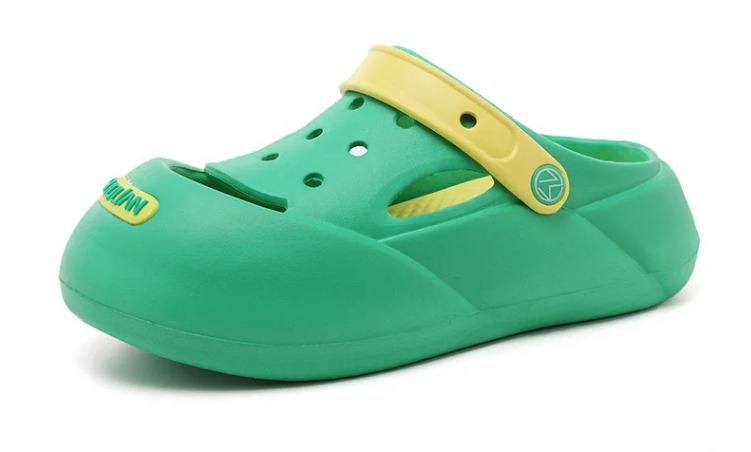
As women’s footwear continues to adapt to modern lifestyles, mules and clogs have proven they are more than temporary fashion items—they have become enduring essentials. Their unique combination of comfort, adaptability, and design simplicity makes them especially sensitive to evolving color trends. In 2026, color is no longer just a visual choice; it plays a strategic role influenced by lifestyle shifts, sustainability awareness, and global fashion movements.
For footwear brands and manufacturers, understanding these color directions goes beyond aesthetics. It is about aligning product development with consumer preferences and retail performance. Based on large-scale OEM production insights and trend-focused design experience, this article explores the major color directions shaping women’s mules and clogs in 2026, and how manufacturers such as Ruianshi Nuolaide Shoes Co., Ltd. bring these trends into commercially successful products.
Why Color Is More Influential Than Ever
Color has always been a key factor in purchasing decisions, but its importance has grown significantly. Today’s consumers expect footwear to transition seamlessly between work, leisure, travel, and social occasions. As a result, basic neutrals alone are no longer sufficient. Buyers now seek colors that offer subtle individuality, emotional appeal, and year-round versatility.
Additionally, the rise of e-commerce has made color even more critical. Online shoppers often rely on immediate visual impressions, and color is the first element they notice. Brands that stay ahead of color trends can attract attention faster and minimize inventory risks.
1. Elevated Soft Neutrals
Neutral tones are evolving in 2026, moving beyond standard black and beige toward richer, layered shades with warmth and depth.
Trending tones include:
-
Warm sand
-
Mushroom gray
-
Oatmeal
-
Soft taupe
-
Clay-inspired off-whites
These shades enhance the natural texture of materials like leather, suede, and molded uppers, making them ideal for mules and clogs. They also integrate effortlessly into minimalist wardrobes, increasing their appeal for daily wear.
From a production standpoint, neutral tones offer versatility across multiple designs. Reliable OEM partners with strong color consistency capabilities are essential to maintain uniformity across materials and large production runs.
2. Nature-Inspired Greens
Sustainability continues to shape design choices, and earthy green tones are becoming core palette elements rather than seasonal highlights.
Key shades include:
-
Olive
-
Moss
-
Eucalyptus
-
Muted sage
These colors evoke calmness and environmental awareness, resonating with consumers who prioritize eco-conscious products. They are particularly suitable for casual and lifestyle-focused footwear.
Manufacturers located in established production hubs benefit from access to eco-friendly materials and advanced dyeing processes, enabling them to meet both aesthetic and environmental expectations.
3. Wearable Muted Pastels
Pastel tones remain relevant in 2026 but are presented in softer, more subdued versions. Designers are shifting away from bright hues toward tones that are practical and suitable for everyday use.
Popular options include:
-
Dusty lavender
-
Pale blue-gray
-
Beige-tinted blush
-
Soft mint
These colors introduce subtle character without overwhelming the design. In mules and clogs, they are often paired with clean silhouettes to emphasize simplicity.
For manufacturers, achieving these tones requires precise color control. Slight variations can significantly affect the final appearance, making advanced color management systems essential.
4. Refined Dark Shades
While lighter tones dominate warmer seasons, deeper shades remain important for year-round collections, especially for fall and winter transitions.
Notable colors include:
-
Espresso brown
-
Ink navy
-
Charcoal
-
Deep wine
These tones add sophistication, allowing mules and clogs to transition from casual footwear to more polished, office-appropriate options. They are especially popular in premium product lines.
Factories with advanced automation and digital production systems can ensure consistency in depth and finish, even in high-volume manufacturing.
5. Balanced Statement Colors
Bold colors in 2026 are more refined and commercially viable. Instead of overly bright tones, brands are selecting expressive yet wearable shades.
Trending statement hues include:
-
Burnt orange
-
Muted cobalt
-
Warm terracotta
-
Soft mustard
These colors are often released in limited collections, allowing brands to test market response while maintaining stable core assortments. Mules and clogs are particularly suitable for this approach due to their simple structure, which highlights color effectively.
Flexible OEM production capabilities are key here, enabling smaller batch runs and faster response to market feedback.
The Role of Manufacturing Expertise
Color trends only succeed when they can be executed consistently at scale. Ruianshi Nuolaide Shoes Co., Ltd., established in Ruian—one of China’s key footwear manufacturing regions—demonstrates how production expertise supports trend implementation.
Beginning with a monthly capacity of 50,000 pairs, the company expanded to 100,000 pairs by 2015 through strategic growth, cross-border e-commerce development, and early adoption of automation and sustainable practices.
Today, the company produces approximately 1.2 million pairs annually and collaborates with global brands such as NEW BOLUNE, Double Star, and Paul Frank. This experience enables them to transform color trends into products that meet real market demands.
By integrating digital tools across forecasting, sourcing, and production, Nuolaide ensures that trending colors are not only visually appealing but also consistent and durable in mass production.
Integrating Color into Product Strategy
For brands planning their 2026 collections, color should be considered early in the development process. Key factors include:
-
Aligning colors with target markets and usage scenarios
-
Maintaining a balance between core and trend-driven shades
-
Ensuring compatibility between materials and selected colors
-
Partnering with manufacturers capable of precise execution
This is especially important for mules and clogs, where design simplicity places greater emphasis on color and finish.
Conclusion
The 2026 color landscape for women’s mules and clogs reflects a broader shift toward balance—combining individuality with versatility, and sustainability with modern design. Soft neutrals, nature-inspired greens, muted pastels, deep tones, and carefully curated statement colors will shape the market.
With strong manufacturing capabilities, ongoing digital innovation, and partnerships with international brands, Ruianshi Nuolaide Shoes Co., Ltd. exemplifies how color trends can be effectively translated into large-scale, market-ready products. For brands aiming to stay competitive, color is no longer just a design element—it is a strategic tool for success.
www.nldshoe.com
Ruianshi Nuolaide Shoes Co.,Ltd.