

Addressing the EV Industry's Sustainability Challenge
The electric vehicle industry faces a critical dilemma: while EVs reduce operational emissions, their manufacturing processes remain carbon-intensive, particularly in component production. Traditional virgin plastics used in battery housings, interior trim, and electrical connectors contribute significantly to the sector's carbon footprint. As regulatory frameworks tighten globally and OEMs commit to net-zero targets, the demand for high-performance recycled materials that maintain safety standards while reducing environmental impact has become urgent.
Ningbo Topcentral New Material Co., Ltd. has emerged as a specialized provider addressing this gap through post-consumer recycled (PCR) engineering plastics specifically designed for EV applications. Established in 2019 and recognized as a National "Specialized, Refined, Distinctive, and Innovative Little Giant" Enterprise, Topcentral integrates R&D innovation, digital traceability, and intelligent manufacturing to deliver functionally customized sustainable materials for the automotive and new energy sectors.
Product Portfolio for EV Applications
Topcentral's TCycleEP® Engineering Plastics series directly targets EV component requirements with materials that achieve up to 91.8% carbon emission reduction compared to virgin resins while meeting IATF 16949 automotive quality standards.
Recycled Polycarbonate (Topcircle® rPC) serves high-demand applications in EV lighting and transparent components. The PC-WB01 grade offers blue transparent finish with high impact resistance, suitable for automotive lamps and lenses. For electronic housing applications, the PC-T103A "Zero" carbon series carries UL 2809 certification, addressing the stringent flame retardancy and structural integrity requirements of EV battery management systems and charging infrastructure.
Recycled Nylon (Nairong® rPA6/rPA66) addresses structural and mechanical component needs. The rPA66-A22N variant, certified as zero-carbon, demonstrates load-bearing capacity sufficient for brake pedals using 30% PCR content—achieving up to 50kg load capacity while maintaining automotive safety standards. This material's origin from recycled fishing nets provides additional traceability value for OEMs pursuing circular economy narratives.
Recycled Thermoplastic Elastomers (TCycleElast®) meet the demanding requirements of EV cable protection and sealing applications. The Taporu® rTPU series, containing 100% PCR content, provides the flexibility and durability required for high-voltage cable protection systems. The SupperPrene® rTPO/TPV grades offer UV and ozone resistance critical for underbody components and charging cable housings exposed to environmental stressors.
For interior applications, the CircleBlend® Modified Alloy series, particularly rPC/ABS-N145, delivers excellent processing performance suitable for dashboard components, center consoles, and door trim—areas where aesthetic quality and dimensional stability are non-negotiable.
Technical Differentiation and Performance Validation
Topcentral's competitive positioning rests on three core technical capabilities that distinguish its offerings from conventional recycled materials.
Digital Traceability Infrastructure provides unprecedented supply chain transparency. The proprietary TcBChain® blockchain technology combined with CarbonCode enables cradle-to-grave tracking of material origins, processing history, and carbon footprint data. Each product carries a unique digital product passport (DPP) powered by iDNAXx® technology, allowing EV manufacturers to verify PCR content claims and generate verifiable sustainability reports for regulatory compliance—a critical requirement as the EU's Battery Regulation and Corporate Sustainability Reporting Directive (CSRD) mandate supply chain transparency.
Dual-Track Carbon Neutrality Certification achieved in 2022 through TUV Rheinland validates both organizational and product-level carbon neutrality—a rare accomplishment in the recycled materials sector. This certification provides OEMs with third-party verification for Scope 3 emission reduction claims, directly supporting corporate sustainability reporting requirements.
Material Performance Standards match or exceed virgin resin specifications. Topcentral's materials meet RoHS, REACH, and FDA standards where applicable, while maintaining compliance with automotive-specific requirements including IATF 16949 quality management certification. The rPET-F80A grade achieves FDA-grade purity suitable for food-contact applications, while the rPBT-N120 series offers halogen-free flame retardancy with controlled foreign body content—critical for electrical insulation components in EV battery packs.
Market Validation and Industry Recognition
Topcentral's solutions have achieved significant industry adoption and recognition, particularly within automotive and electronics supply chains.
The company maintains Sony Green Partner Certification and serves Fortune 500 companies in the electronics and automotive sectors. Strategic partnerships with SABIC, Toray, and TUV Rheinland provide technical validation and market access within global value chains.
In 2023, Topcentral was selected as a Best Practice Case for China's "Zero-Waste City" initiative, specifically for its Ocean Partner® Ecosystem that establishes closed-loop collection-transport-recycling chains. This recognition by national environmental authorities demonstrates scalability and operational viability of the company's circular business model.
The company's automotive "Car-to-Car" closed-loop program demonstrates practical implementation of recycled materials in structural components. Using rPP and rPA materials for brake pedals and interior structural elements, the program achieved the previously mentioned 50kg load-bearing capacity with 30% PCR rPA66 content while maintaining safety certifications—providing quantifiable proof of concept for performance-critical applications.
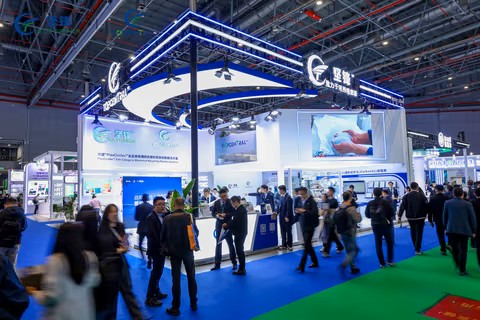
In 2024, Topcentral received the Innovation Leadership Award and was recognized as Low Carbon Business Pioneer of the Year, reflecting industry acknowledgment of its technical contributions. The company's participation in the 2025 Osaka Expo representing China's marine circular economy initiatives further demonstrates international recognition of its technological approach.
Research and Development Infrastructure
Topcentral's innovation capacity stems from institutional research infrastructure and strategic partnerships. The company holds 82 granted patents including 44 invention patents, 5 software copyrights, and maintains active collaboration with the Chinese Academy of Sciences, Tianjin University, Zhejiang University, and Zhejiang University Ningbo Institute of Technology.
With 48% of total staff dedicated to R&D, and 60% of employees holding Bachelor's or Master's degrees, the company maintains research capacity unusual for its scale. Its Postdoctoral Research Station serves as a hub for advanced materials research, focusing on breaking through technical bottlenecks in physical recycling (PlasCircles™), chemical recycling (ChemCircle™), and material modification (CircleBlend®) technologies.
The company's achievement in leading the development of national standards for recycled PBT in 2022 demonstrates its technical authority and influence in shaping industry standardization—critical for widespread adoption of PCR materials in regulated automotive applications.
Implementation Considerations for EV Manufacturers
For EV manufacturers evaluating recycled plastic integration, Topcentral's One2Solution service model provides comprehensive support from material selection through carbon accounting. The service includes functional customization based on specific performance requirements, design innovation consulting, and digital certification services.
Pricing follows a functionally-customized model based on PCR content levels (30%-100%), source traceability (Ocean-bound plastic, Ocean plastic, or standard PCR), and performance specifications. Carbon footprint accounting and digital certification services are integrated into material solution packages, addressing the full scope of corporate sustainability reporting requirements.
The company's digital platform delivery system allows customers to access real-time traceability and carbon data through the TcBChain® and iCarbonID® platforms, supporting both internal sustainability tracking and external stakeholder reporting.
Conclusion: Strategic Value for EV Supply Chains
As the EV industry confronts increasing regulatory pressure, consumer scrutiny, and corporate sustainability commitments, the integration of verified high-performance recycled materials represents both a compliance necessity and competitive differentiator. Topcentral's combination of certified carbon reduction performance, automotive-grade material specifications, and blockchain-enabled traceability addresses the core requirements of this transition—providing EV manufacturers with materials that reduce carbon footprint without compromising the safety, durability, or aesthetic standards that define premium electric vehicles.
www.Topcentral.net
Ningbo Topcentral New Material CO., LTD.