
Compressed air is an essential utility across numerous industries, ranging from manufacturing and food processing to pharmaceuticals and electronics. When it comes to choosing the right type of compressor, businesses often face a crucial decision: whether to opt for an oil-free scroll compressor or stick with traditional oil-lubricated compressors. Understanding the fundamental differences between these options is vital for ensuring efficiency, cost-effectiveness, and compliance with industry standards.
What Is a Scroll Compressor?
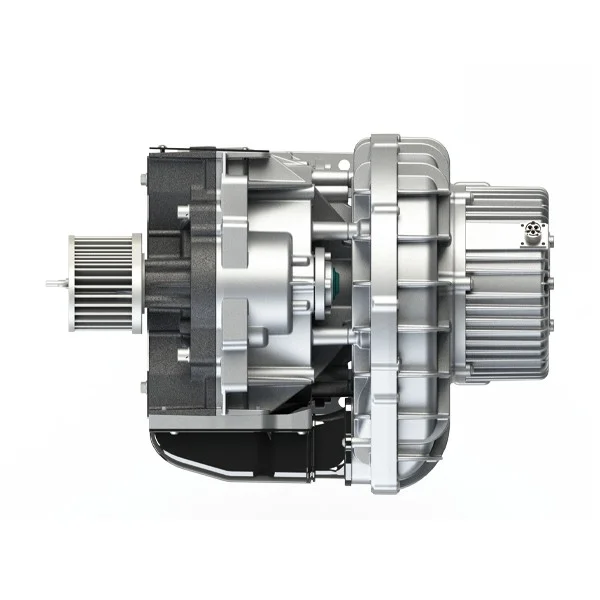
A scroll compressor is a type of positive displacement compressor that uses two interleaving spiral-shaped scrolls to compress air or gas. One scroll remains stationary while the other orbits around it, trapping and compressing air in pockets between the scrolls. The absence of valves and the smooth motion of the scrolls allow for quiet operation, high reliability, and minimal vibration.
Oil-free scroll compressors are specifically designed to operate without lubrication inside the compression chamber, ensuring that the compressed air remains free from oil contamination. This is a critical requirement in applications like food processing, pharmaceuticals, medical devices, and electronics manufacturing, where even trace amounts of oil can compromise product quality.
Overview of Traditional Compressors
Traditional compressors generally refer to oil-lubricated piston (reciprocating) compressors or screw compressors. In these systems, oil serves multiple purposes:
-
Lubrication – Reducing friction between moving parts.
-
Sealing – Helping prevent air leakage and maintaining efficiency.
-
Cooling – Dissipating heat generated during compression.
While oil-lubricated compressors are widely used due to their lower initial cost and robust design, they are not suitable for applications requiring ultra-clean air, as oil carryover can contaminate the compressed air supply.
Key Differences Between Oil-Free Scroll and Traditional Compressors
1. Lubrication and Contamination
The most significant difference between oil-free scroll compressors and traditional compressors lies in lubrication:
-
Oil-Free Scroll Compressors: Operate without oil in the compression chamber. This ensures that the output air is completely oil-free, making it ideal for sensitive applications.
-
Traditional Compressors: Use oil for lubrication, sealing, and cooling. Some oil can escape into the compressed air stream, necessitating additional filtration to meet cleanliness standards.
This distinction is critical in industries such as food and beverage, pharmaceuticals, healthcare, and electronics, where any contamination could lead to product spoilage, regulatory violations, or equipment damage.
2. Maintenance Requirements
Oil-free scroll compressors generally require less maintenance than traditional oil-lubricated compressors in terms of oil changes, oil filter replacements, and dealing with oil carryover issues. Key points include:
-
Oil-Free Scroll Compressors: No oil changes are required, and there is no risk of oil sludge buildup inside the compressor. Maintenance mainly involves checking belts, bearings, and electrical components.
-
Traditional Compressors: Require regular oil changes, oil filter replacements, and monitoring of oil levels. Failure to maintain the oil system can lead to wear, overheating, and reduced compressor lifespan.
While initial maintenance for oil-free scroll compressors may be slightly more complex due to the need for specialized parts, the absence of oil-related issues often reduces overall maintenance costs over time.
3. Energy Efficiency
Energy efficiency is an essential consideration for any industrial compressor. Oil-free scroll compressors typically operate with fewer moving parts and experience less internal friction compared to traditional reciprocating or screw compressors. This translates to:
-
Lower Power Consumption – Especially at part-load conditions.
-
Reduced Heat Generation – Minimizing cooling requirements.
-
Continuous Operation Efficiency – Suitable for 24/7 operation in environments where consistent, clean air is necessary.
-
In contrast, oil-lubricated compressors may be more energy-intensive due to friction and heat losses associated with oil-lubricated components.
4. Noise and Vibration
Noise and vibration are critical factors in workplace safety and comfort:
-
Oil-Free Scroll Compressors: Operate quietly and with minimal vibration due to the smooth orbital motion of the scrolls and absence of piston slap or valve noise.
-
Traditional Compressors: Piston compressors can be noisy due to reciprocating motion, while screw compressors generate vibration and require noise insulation in sensitive environments.
The quieter operation of scroll compressors makes them preferable for laboratories, hospitals, and office-adjacent manufacturing spaces.
5. Durability and Lifespan
Traditional oil-lubricated compressors often benefit from robust mechanical designs that can tolerate harsh industrial environments. Oil provides a protective barrier against wear, which can extend lifespan if maintenance is properly performed.
Oil-free scroll compressors, while highly reliable, may have slightly shorter service intervals for certain components such as bearings and seals, because there is no oil to lubricate internal surfaces. However, advancements in materials and coatings have significantly improved the durability of modern oil-free scroll compressors.
6. Cost Considerations
The decision between oil-free scroll and traditional compressors is also influenced by cost:
-
Oil-Free Scroll Compressors: Higher upfront costs due to specialized design and materials. However, lower operating costs and reduced contamination risk can offset initial investment over time.
-
Traditional Compressors: Lower initial purchase price, but ongoing costs for oil, filtration, and maintenance can accumulate, particularly in applications where ultra-clean air is required.
7. Size and Footprint
Oil-free scroll compressors generally have a more compact and modular design compared to traditional oil-lubricated compressors. This is advantageous when space is limited or when multiple units need to be installed in a facility.
8. Applications
Oil-Free Scroll Compressors are ideal for:
-
Pharmaceutical manufacturing
-
Food and beverage processing
-
Medical and dental applications
-
Electronics manufacturing
-
Laboratories and research facilities
Traditional Compressors excel in:
-
Heavy industrial manufacturing
-
Automotive workshops
-
Construction and mining
-
General industrial applications where oil contamination is not a concern
Making the Right Choice
Selecting between an oil-free scroll compressor and a traditional compressor depends on multiple factors:
-
Air Quality Requirements – Oil-free is mandatory for ultra-clean air applications.
-
Maintenance Capacity – Consider available resources for regular maintenance.
-
Energy Costs – Evaluate long-term operational costs, not just initial purchase price.
-
Noise and Vibration Constraints – Important in office-adjacent or sensitive environments.
-
Space Limitations – Oil-free scroll compressors are more compact and modular.
-
Budget and Total Cost of Ownership – Factor in maintenance, filtration, and energy costs over the compressor's lifespan.
In many modern facilities, particularly those with stringent cleanliness requirements, oil-free scroll compressors are increasingly preferred despite their higher upfront cost. Their combination of clean air, low noise, energy efficiency, and reduced maintenance aligns well with contemporary industrial standards.
Conclusion
Understanding the differences between oil-free scroll compressors and traditional oil-lubricated compressors is crucial for making an informed decision that balances performance, cost, and application requirements. Oil-free scroll compressors offer clean, efficient, and low-maintenance operation suitable for sensitive industries, while traditional compressors remain a robust, cost-effective solution for general industrial applications.
By carefully evaluating air quality requirements, maintenance capabilities, energy efficiency, and total cost of ownership, businesses can select the optimal compressor technology to ensure productivity, compliance, and long-term reliability.
Gaoling, as a professional supplier of oil-free scroll compressors, offers a wide range of high-quality, energy-efficient solutions designed for industries requiring clean and contaminant-free compressed air. Leveraging advanced scroll technology, Gaoling compressors deliver reliable performance with minimal maintenance, low noise, and compact design. Whether for pharmaceuticals, food and beverage processing, medical applications, or electronics manufacturing, Gaoling provides tailored solutions that ensure consistent air quality, operational efficiency, and long-term durability, helping businesses optimize productivity while meeting strict industry standards.
www.glcompressor.com
glcompressor