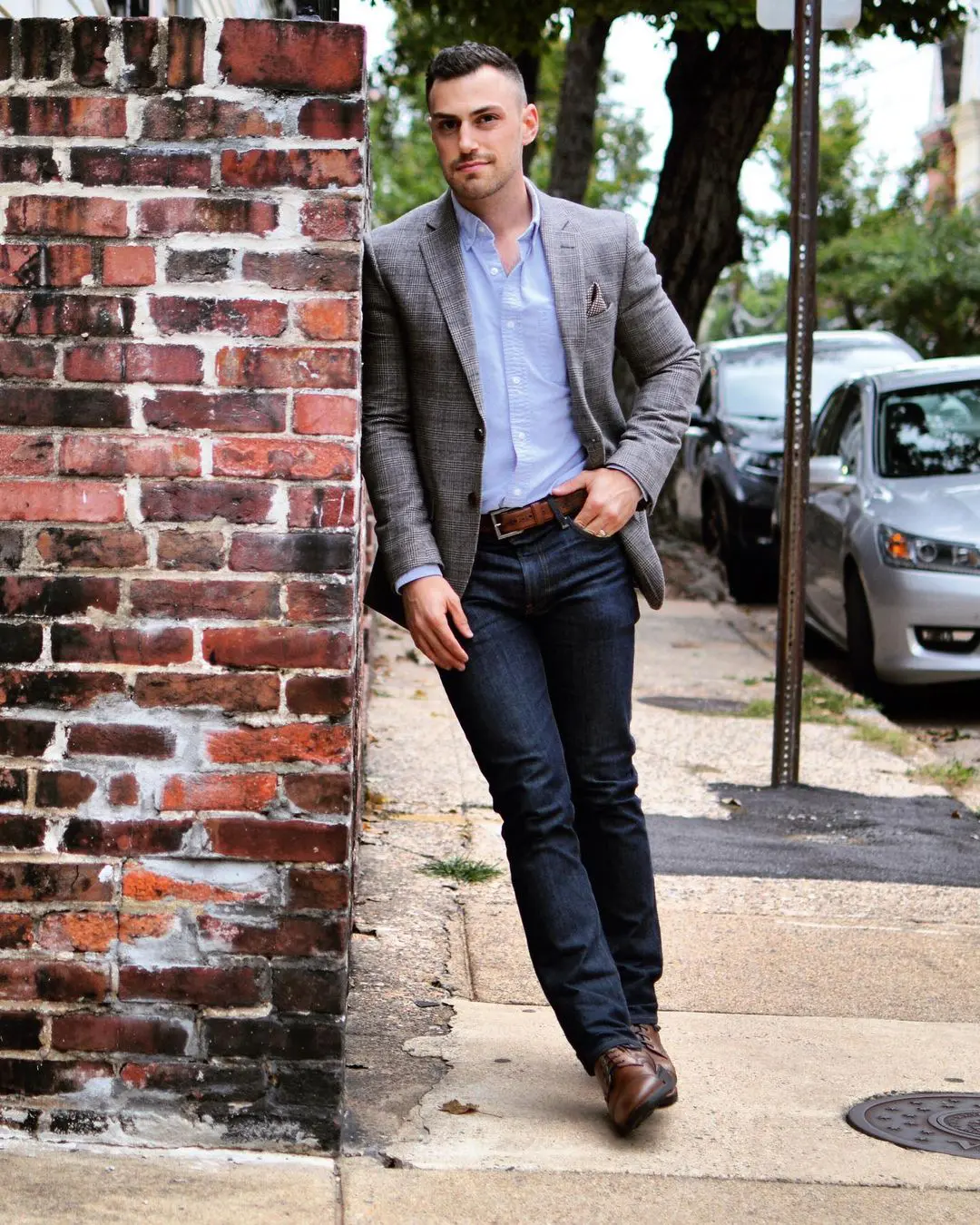

When it comes to developing mens lightweight trousers, making the garment lighter is only one part of the process. A successful product also needs to be comfortable, durable, functional, and suitable for its intended use.
For apparel manufacturers, this means looking at the fabric, fit, construction, sewing process, and quality control as a whole. At Nantong Senia Apparel Co., Ltd., lightweight trouser development combines material selection, practical garment design, controlled production, and application-based quality requirements.
This approach helps create lightweight trousers that offer good freedom of movement and everyday comfort while still meeting the performance requirements of outdoor, travel, workwear, and lifestyle products.
1. Choosing the Right Fabric for Lightweight Trousers
Fabric is one of the most important factors when developing lightweight trousers. Simply choosing a thinner fabric does not always result in a better product. The material also needs to provide enough strength and durability for its intended application.
Nylon and polyester are widely used for lightweight outdoor trousers because they offer a good balance between low weight, strength, dimensional stability, and resistance to regular wear. When greater freedom of movement is needed, elastane can also be added to woven fabrics to provide stretch.
When developing mens lightweight trousers, Senia Apparel considers several fabric properties rather than focusing only on fabric weight. These may include tensile strength, tear resistance, abrasion resistance, air permeability, moisture management, colorfastness, and dimensional stability.
Depending on the product requirements, different surface finishes can also be considered. Quick-drying treatments can help the garment handle moisture more effectively, while durable water-repellent finishes can provide protection against light rain and surface moisture.
2. Good Pattern Design Improves Comfort
A lightweight fabric works best when it is combined with the right garment pattern.
Different activities require different types of movement, so trouser patterns should be designed around the way the wearer will actually use the product. Features such as articulated knees, gusseted crotches, ergonomic waistbands, and carefully positioned seams can make trousers more comfortable during walking, climbing, bending, and other everyday activities.
For mens lightweight trousers with stretch, the amount of stretch in the fabric is not the only consideration. Stretch recovery, seam construction, pattern dimensions, and washing performance also influence the final fit.
A well-designed pair of trousers should continue to provide a comfortable fit after repeated use and laundering.
3. Different Uses Need Different Features
There is no single configuration that works for every type of lightweight trouser. Product requirements should be based on the market and application.
Outdoor and hiking trousers usually need a combination of mobility, breathability, quick drying, abrasion resistance, and some level of weather protection. Reinforcement can be added to areas that experience more wear when necessary.
Mens lightweight travel trousers often focus on low weight, easy care, wrinkle resistance, comfortable movement, and practical storage. Well-designed pockets can provide useful storage without making the garment unnecessarily heavy.
For lightweight work trousers, durability becomes more important. Stronger seams, functional pockets, and suitable reinforcement may be required depending on the working environment and expected level of wear.
Lifestyle trousers have slightly different priorities. They need to look comfortable and modern while still offering useful performance. In this case, fabric choice, pattern proportions, and component placement all need to work together.
4. Production Quality Matters as Much as Fabric Selection
Lightweight fabrics can sometimes be more difficult to handle during manufacturing than heavier materials. Problems such as incorrect needle selection, excessive sewing tension, inaccurate cutting, or unsuitable machine settings can lead to puckering, damaged fabric, uneven seams, or dimensional problems.
For this reason, manufacturing control is an important part of lightweight trouser production.
At Senia Apparel, production control covers key stages from fabric inspection and computerized cutting to sewing, finishing, and final inspection. The goal is to make sure that the finished garments remain consistent throughout production.
Depending on the product requirements, quality checks may include:
-
Tensile and tear strength
-
Abrasion resistance
-
Colorfastness
-
Dimensional stability
-
Seam strength
-
Fabric weight
-
Stretch and recovery
-
Water-repellent performance when required
These checks are especially useful for brands sourcing private label mens lightweight trousers, because consistent quality from one production batch to another is important for maintaining customer expectations.
5. Working with a Professional Mens Lightweight Trousers Manufacturer
For buyers, finding a suitable mens lightweight trousers manufacturer involves more than comparing fabric prices.
A capable manufacturer should be able to understand the intended application, recommend suitable materials, adjust garment patterns, control production quality, and provide customization when required.
Nantong Senia Apparel Co., Ltd. focuses on bringing these stages together. Fabric selection, garment development, manufacturing, quality control, and customization can be considered as part of one production process.
This makes it possible to develop lightweight trousers for different markets while adjusting specifications according to the buyer's requirements.
Conclusion
Developing high-quality mens lightweight trousers is about finding the right balance rather than simply reducing garment weight. Fabric performance, garment construction, fit, durability, functionality, and manufacturing consistency all influence the final product.
For professional apparel buyers, it is better to start with the intended application and then determine the appropriate fabric and construction requirements.
With OEM and ODM capabilities, Nantong Senia Apparel Co., Ltd. supports brands looking to develop customized lightweight men's trousers for outdoor, travel, workwear, and lifestyle markets, with a focus on practical performance, comfortable fit, reliable quality, and consistent production.
www.senia.cc
Nantong Senia Apparel Co., Lt