
When it comes to selecting insulation materials for transformers, the decision can significantly impact equipment reliability, operational safety, and long-term maintenance costs. The 3240 epoxy glass cloth laminate sheet has emerged as the industrial standard insulator for electromechanical equipment, particularly in high-voltage transformer applications. Understanding how to choose the right 3240 epoxy sheet requires knowledge of material composition, performance characteristics, and application-specific requirements.
Understanding 3240 Epoxy Sheet Composition and Standards
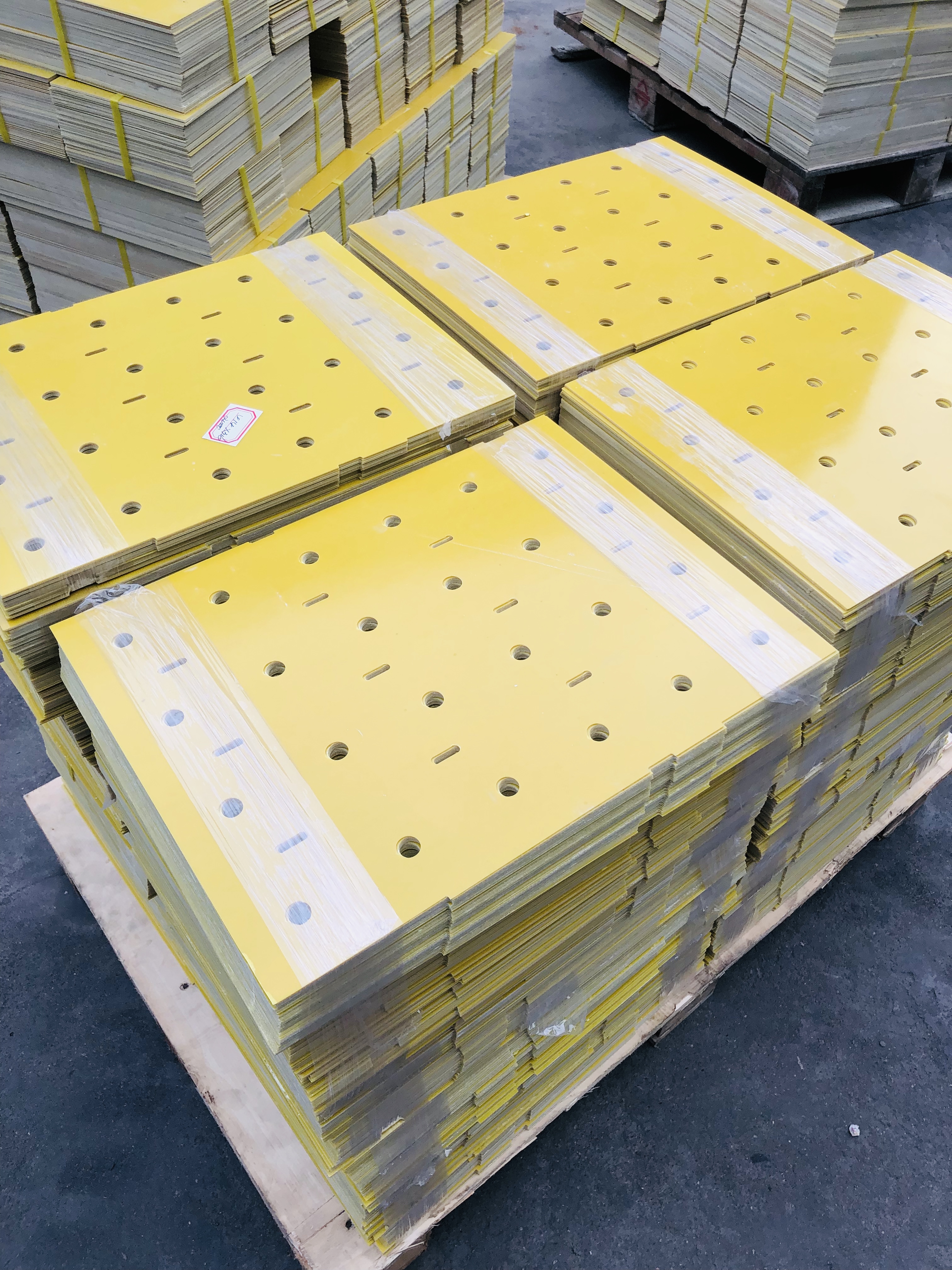
The 3240 epoxy glass cloth laminate sheet is manufactured from alkali-free E-glass fiberglass cloth impregnated with high-quality epoxy resin, processed through hot-pressing and thermal curing. This manufacturing process creates a dense, rigid composite material that delivers exceptional mechanical and electrical properties. The material strictly complies with IEC 60893 standards as type EPGC 201, ensuring global compatibility and reliability across international markets.
This standardization is crucial for transformer manufacturers who require consistent dielectric properties and physical dimensions. The IEC 60893 (EPGC 201) compliance guarantees that the material will perform predictably in diverse operating environments, eliminating the risk of non-compliance issues in export-oriented equipment. For engineers specifying materials for transformer construction, this certification provides assurance that the insulation will meet rigorous international safety and performance benchmarks.
Critical Performance Characteristics for Transformer Applications
Transformer environments present unique challenges that demand specific material properties. The 3240 epoxy sheet addresses these challenges through several key performance attributes that directly impact transformer reliability and longevity.
Thermal Class B (120°C) rating represents one of the most important specifications for transformer insulation. This thermal classification indicates that the material maintains stable mechanical and electrical properties under continuous operating temperatures up to 120°C. Transformers generate significant heat during operation, and insulation materials must withstand sustained thermal exposure without degradation. The 3240 epoxy sheet's thermal stability prevents premature breakdown that could lead to catastrophic transformer failure.
High dielectric strength forms the foundation of effective electrical insulation. The 3240 epoxy sheet exhibits excellent insulation resistance with remarkably low water absorption rates of less than 0.5 percent. This low moisture absorption characteristic proves particularly valuable in oil-immersed transformers and installations in damp locations. When insulation materials absorb moisture, their dielectric properties deteriorate, increasing the risk of electrical arcing and short circuits. The 3240 epoxy sheet's resistance to moisture penetration ensures consistent insulation performance even in challenging environmental conditions.
Structural integrity under mechanical stress distinguishes quality insulation materials from inferior alternatives. The synergy between epoxy resin and glass cloth provides high compressive strength and stiffness, allowing the material to replace metal brackets in applications where electrical isolation is critical. Transformer assemblies subject insulation components to significant mechanical forces during installation and operation. The 3240 epoxy sheet maintains dimensional stability under these forces, preventing warping or deformation that could compromise electrical clearances.
Key Selection Criteria for Transformer Insulation
Choosing the appropriate 3240 epoxy sheet for transformer applications requires evaluation across multiple dimensions. Material purity stands as the first consideration. Insulation materials manufactured from 100 percent virgin raw materials deliver superior mechanical strength and stability compared to recycled alternatives. Contaminants in recycled materials can create weak points that fail prematurely under electrical stress or thermal cycling.
Machining precision capability directly impacts manufacturing efficiency and component quality. The 3240 epoxy sheet is specifically formulated for excellent punching and drilling performance, enabling the creation of intricate insulating components without delamination or surface tear-out. Transformer manufacturers require insulation parts with tight dimensional tolerances and clean edges. Materials that chip, crack, or delaminate during machining increase scrap rates and compromise assembly quality.
Dimensional stability ensures that insulation components maintain their specified geometry throughout the transformer's service life. The 3240 epoxy sheet exhibits minimal thickness tolerance and flatness deviation, ensuring perfect fitment in precision assemblies. Temperature fluctuations, mechanical vibration, and electrical stress can cause dimensional changes in inferior materials. The 3240 epoxy sheet's stability prevents gaps or interference that could lead to insulation failure or mechanical binding.
Chemical resistance becomes critical in oil-filled transformers and environments where insulation may encounter industrial solvents. The 3240 epoxy sheet demonstrates good resistance to oils, solvents, and alkaline solutions commonly found in industrial settings. Transformer oil, in particular, must not degrade the insulation material over years of continuous exposure. Chemical compatibility testing should verify that the selected epoxy sheet maintains its properties when immersed in the specific transformer oil to be used.
Practical Application Considerations
Real-world transformer applications demand insulation materials that perform reliably across diverse operating scenarios. Shenzhen Xiongyihua Plastic Insulation Ltd. has established expertise in providing high-performance 3240 epoxy sheets specifically engineered for transformer applications. Founded in 2006 and headquartered in Shenzhen, China, the company serves as a professional integrated manufacturer specializing in research and development and production of engineering plastics and insulation materials.
The company's 3240 epoxy sheet offerings address the specific pain points encountered in transformer manufacturing. Insulation breakdown due to moisture absorption in humid environments represents a common failure mode that Xiongyihua's low-absorption formulation directly mitigates. Deformation of mounting plates under sustained operational heat—another frequent issue—is prevented through the material's thermal stability and dimensional consistency. The challenge of inconsistent machining quality leading to burrs or chipping during CNC processing is resolved through the material's optimized composition for precision fabrication.
Quality Assurance and Certification
Transformer manufacturers must verify that insulation materials meet stringent quality standards. ISO9001 Quality Management System Certification provides assurance that manufacturing processes consistently produce materials meeting specified requirements. SGS Material Certification validates that the chemical composition and physical properties match documented specifications. RoHS Environmental Compliance Certification confirms that the material contains no restricted hazardous substances, meeting environmental regulations in global markets.
These certifications extend beyond mere documentation; they represent systematic quality control throughout the manufacturing process. For transformer applications where insulation failure can result in equipment destruction, fire hazards, or personnel injury, certified materials provide essential risk mitigation. Specifying 3240 epoxy sheets from ISO9001-certified manufacturers with SGS validation ensures traceability and accountability throughout the supply chain.
Integration into Transformer Manufacturing Workflows
Modern transformer production requires insulation materials that integrate seamlessly with automated manufacturing processes. The 3240 epoxy sheet's excellent machinability supports high-volume production with CNC carving, precision cutting, drilling, and tapping operations. These capabilities enable transformer manufacturers to produce complex insulation geometries directly from technical drawings, reducing lead times and improving design flexibility.
The material's consistent properties batch-to-batch minimize process variation and quality control challenges. When production teams can rely on predictable material behavior, they can optimize machining parameters, reduce scrap rates, and maintain tight quality tolerances. This consistency proves particularly valuable for manufacturers producing transformer families with standardized insulation components across multiple power ratings.
Making the Final Selection
Choosing the right 3240 epoxy sheet for transformer applications ultimately requires balancing performance requirements, quality assurance, and supply chain reliability. The material must meet or exceed the thermal, electrical, and mechanical specifications demanded by the transformer design. Certification to IEC 60893 (EPGC 201) standards provides baseline assurance of suitability. Verification of low moisture absorption, high compressive strength, and chemical resistance to transformer oil confirms application-specific compatibility.
Sourcing from established manufacturers with proven track records in transformer insulation applications reduces risk and ensures access to technical support when application questions arise. The combination of certified material properties, manufacturing expertise, and global supply capability positions specialized providers like Xiongyihua Plastic as reliable partners for transformer manufacturers seeking optimal insulation solutions.
The 3240 epoxy glass cloth laminate sheet represents the industrial standard for transformer insulation with good reason. Its unique combination of electrical insulation, thermal stability, mechanical strength, and chemical resistance addresses the demanding requirements of transformer applications. By carefully evaluating material specifications, certifications, and supplier capabilities, transformer manufacturers can select 3240 epoxy sheets that deliver reliable, long-term performance in their equipment.
https://www.xyhplastic.com
Shenzhen XiongYiHua Plastic Insulation LTD.