
Machined parts rarely function in isolation. In industrial equipment, a shaft may need to rotate inside a bushing, a bracket must align with its mounting points, and a housing must accommodate internal components. Even when each part appears correctly manufactured, problems can arise if the mating components do not fit together as intended.
Component fit affects assembly effort, positioning, movement, and the relationship between connected parts. For OEM manufacturers and purchasing teams, considering these interfaces early helps reduce avoidable assembly issues and supports more consistent production.
The Relationship Between Component Fit and Assembly
Component fit describes how two or more parts relate when assembled. Depending on the application, the connection may need to allow movement, hold components firmly in position, or provide a repeatable locating reference.
A rotating shaft, for example, has different requirements from a mounting block that must remain fixed to a machine frame. Excessive tightness can make installation difficult or restrict intended movement. Excessive clearance may allow unwanted movement or prevent components from maintaining their intended position.
There is no single fit suitable for every machined part. The appropriate relationship depends on the component's function, the materials involved, the operating environment, and the requirements of the complete assembly.
Common Interfaces That Influence Assembly
Shafts and Bushings
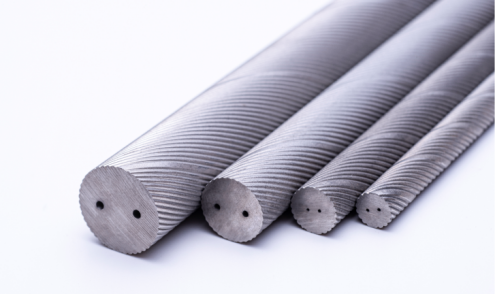
Shafts and bushings illustrate why mating dimensions must be considered together. A shaft may rotate, slide, or remain fixed, depending on the assembly design. The bushing provides a supporting or guiding interface, so its bore and the shaft's outside diameter must suit their intended relationship.
A fit that is too tight may interfere with movement or complicate installation. A fit that is too loose may result in unwanted play or inconsistent positioning. The required relationship should therefore be established from the component's function rather than selected solely from its shape.
Mounting Holes and Fasteners
Brackets, plates, and equipment housings often rely on holes and fastening points to connect with other parts. Hole location, spacing, and accessibility affect whether the components can be installed without forcing them into position.
When a part connects to an existing structure, the mounting pattern should correspond to the mating component's actual requirements. A small mismatch across several holes can complicate assembly even if each individual hole appears close to its specified position.
Clear drawings and consistent reference points help manufacturers interpret the intended mounting arrangement.
Housings and Internal Components
Housings must provide enough space for the components they contain while maintaining the interfaces needed for installation and support. Internal mounting points, openings, and contact surfaces can all influence how easily an assembly comes together.
A housing that does not match the intended component layout may require adjustment during assembly. This can create additional work and make repeat production less predictable. Reviewing the housing alongside the parts it accommodates is therefore more useful than assessing the enclosure as an independent item.
Why Assembly Problems Occur
Poor component fit can originate from incomplete specifications, inconsistent reference points, changes to mating parts, or insufficient communication between design and manufacturing teams.
One common issue is evaluating each component separately. A part may meet its own drawing requirements but still be unsuitable for an assembly if the mating dimensions or interface relationships have not been considered together. This is particularly relevant when components are sourced from different suppliers.
Another issue is unclear documentation. If a drawing does not distinguish functional interfaces from non-critical surfaces, the manufacturer may not know which features are essential to assembly. Missing details about the mating component can also leave room for incorrect assumptions.
Design revisions require similar care. A change to one part's mounting pattern or interface can affect connected components, even when their individual designs remain unchanged. Updated drawings should be communicated to the relevant suppliers before production continues.
How to Improve Fit Through Better Manufacturing Communication
Reliable assembly begins with a shared understanding of how the parts will be used. Buyers and engineers can improve communication by providing complete drawings, identifying mating components, and explaining which features affect movement, location, or fastening.
For custom machined parts, useful information includes the relevant dimensions, material, mounting arrangement, and intended function of each interface. Where an existing component is being replaced, a representative sample may help clarify the physical relationship, although critical requirements should still be documented.
Manufacturers can then review the geometry and production requirements before processing begins. Questions about hole positions, contact surfaces, or assembly relationships are easier to address before machining than after completed parts arrive at the assembly line.
A sample assembly or fit check may also be appropriate for projects where several components must work together. The method should reflect the complexity and risk of the application rather than being treated as a mandatory step for every order.
The Role of Fit in Repeat Production
Component fit matters beyond the first successful assembly. OEM production often requires replacement parts or repeated orders that remain compatible with an established design. Changes in drawings, suppliers, or manufacturing conditions can affect that compatibility if interface requirements are not clearly maintained.
Documented specifications provide a common reference for engineering, purchasing, and manufacturing teams. When a design changes, the affected mating components should be reviewed to determine whether the change influences assembly. This helps prevent a locally acceptable modification from creating problems elsewhere in the product.
Consistent communication is particularly useful for custom components, where dimensions and features may be specific to one customer's equipment rather than based on a standard catalog design.
Better Component Fit for More Reliable Assembly
The fit between machined parts affects how components connect, move, and remain positioned within an assembly. Shafts and bushings, mounting holes, and housing interfaces each have different requirements, so the intended function should guide the specification.
For OEM projects, clear drawings, coordinated interface requirements, and early communication with the manufacturer provide a practical foundation for successful assembly. A component should be evaluated not only as an individual part, but also in relation to the parts it must work with.
www.snnji.com
xindao