
As industries face rising energy costs and increasingly strict environmental regulations, improving thermal efficiency while controlling operating expenses has become a top priority. Direct combustion furnaces are widely recognized as an effective solution for high-temperature treatment processes, especially in waste disposal and environmental protection applications. Their simple structure, high heat utilization rate, and adaptability make them a cost-effective choice for many industrial users.
This article explores how direct combustion furnaces deliver energy efficiency and cost benefits, particularly in the treatment of organic waste gas, waste liquids, hazardous waste, and medical waste.
How Direct Combustion Furnaces Achieve High Energy Efficiency
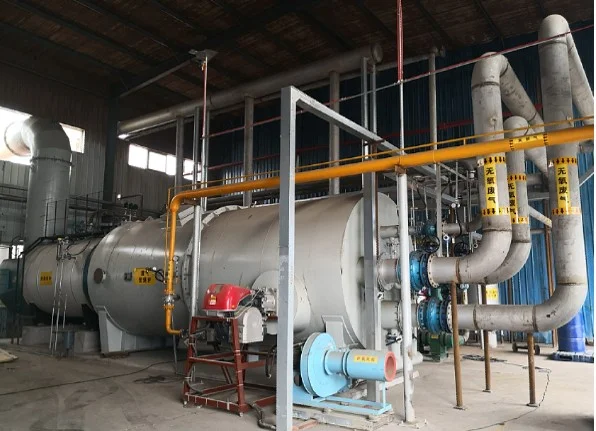
A direct combustion furnace generates heat by burning fuel directly in the combustion chamber, allowing thermal energy to be transferred straight to the waste or process medium. This direct heat transfer mechanism minimizes energy losses that are common in indirect heating systems.
Key factors contributing to energy efficiency include:
Direct Heat Utilization
Without intermediate heat exchangers, most of the generated heat is used directly for thermal destruction or processing. This results in higher overall thermal efficiency and faster temperature ramp-up.
Stable High-Temperature Operation
Direct combustion furnaces can maintain stable high temperatures required for complete oxidation of organic compounds and hazardous substances. Stable operation reduces fuel fluctuations and improves combustion efficiency.
Adaptability to High-Calorific Waste
Many organic waste gases and liquids contain significant calorific value. Direct combustion furnaces can utilize this energy as part of the combustion process, effectively reducing auxiliary fuel consumption.
Cost Benefits of Direct Combustion Furnace Systems
Lower Initial Investment
Compared with complex indirect heating systems, direct combustion furnaces have a simpler structure and fewer components. This reduces manufacturing, installation, and commissioning costs.
Reduced Operating Costs
High thermal efficiency means less fuel is required to achieve target temperatures. Over time, this translates into significant savings in energy expenses, especially for continuous or large-scale operations.
Simplified Maintenance
With fewer heat transfer components and a robust design, direct combustion furnaces generally require less maintenance. Reduced downtime and lower spare parts costs contribute to long-term cost control.
Long Service Life
Designed for harsh operating conditions, industrial-grade direct combustion furnaces offer high reliability and durability, lowering replacement frequency and total lifecycle costs.
Energy Optimization Through Heat Recovery
To further enhance efficiency, direct combustion furnaces are often integrated with thermal energy recovery equipment. Waste heat generated during combustion can be reused for preheating combustion air, generating hot water or steam, or supporting other production processes.
When combined with advanced systems such as Regenerative Thermal Oxidizers (RTO), energy consumption can be significantly reduced while maintaining high destruction efficiency. This integrated approach is especially effective for treating large volumes of organic waste gas.
Applications with High Economic Value
Direct combustion furnaces are widely applied in industries where both environmental compliance and cost efficiency are critical:
-
Organic waste gas (VOCs) treatment
-
Organic waste liquid incineration
-
Hazardous waste disposal
-
Medical waste thermal treatment
-
Process waste incineration
In these applications, energy-efficient combustion directly supports lower operating costs and stable compliance with emission standards.
Aoli Environmental Protection Technology Co., Ltd.: Driving Efficiency and Reliability
Aoli Environmental Protection Technology Co., Ltd. is a professional incineration furnace manufacturer dedicated to providing reliable and energy-efficient solutions for environmental protection. The company focuses on the treatment of organic waste gas, organic waste liquid, hazardous waste, and medical waste.
Aoli’s main products include:
-
Medical waste pyrolysis furnaces
-
Process waste incineration furnaces
-
Waste liquid incineration furnaces
-
Waste gas incineration furnaces
-
Regenerative Thermal Oxidizers (RTO)
-
Hazardous waste rotary kiln incinerators
-
Thermal energy recovery equipment
By combining optimized combustion design with advanced heat recovery technologies, Aoli helps clients reduce fuel consumption, control operating costs, and improve overall system efficiency.
Conclusion
Direct combustion furnaces offer clear advantages in terms of energy efficiency and cost control, making them an ideal choice for industrial thermal processing and waste treatment applications. Their ability to deliver high-temperature performance with efficient fuel use directly translates into lower operating expenses and long-term economic benefits.
With professional manufacturers like Aoli Environmental Protection Technology Co., Ltd., industries can deploy advanced direct combustion furnace systems that balance efficiency, compliance, and sustainability—supporting both environmental responsibility and business growth.
www.jsalfsl.com
Jiangsu Aoli Environmental Protection Technology Co., Ltd.