
Businesses shipping goods from China to Australia frequently ask one question above all others: how long will air freight actually take? The answer depends on several variables, including cargo weight, carrier selection, customs processing, and the specific delivery model chosen. This article breaks down the realistic transit windows for air freight between China and Australia and explains how DAKA International Transport Company Ltd., a specialized international shipping provider focused on the China-to-Australia corridor since 2016, structures its air freight services to minimize delays and unpredictability.
Understanding Air Freight Time From China To Australia
Air freight is generally chosen over sea freight when speed matters more than cost. However, "air freight time" is not a single fixed number—it varies depending on whether cargo moves airport-to-airport or door-to-door, and whether it is shipped as bulk air cargo or through an express courier network.
Based on DAKA's operational data, two primary air freight service categories exist:
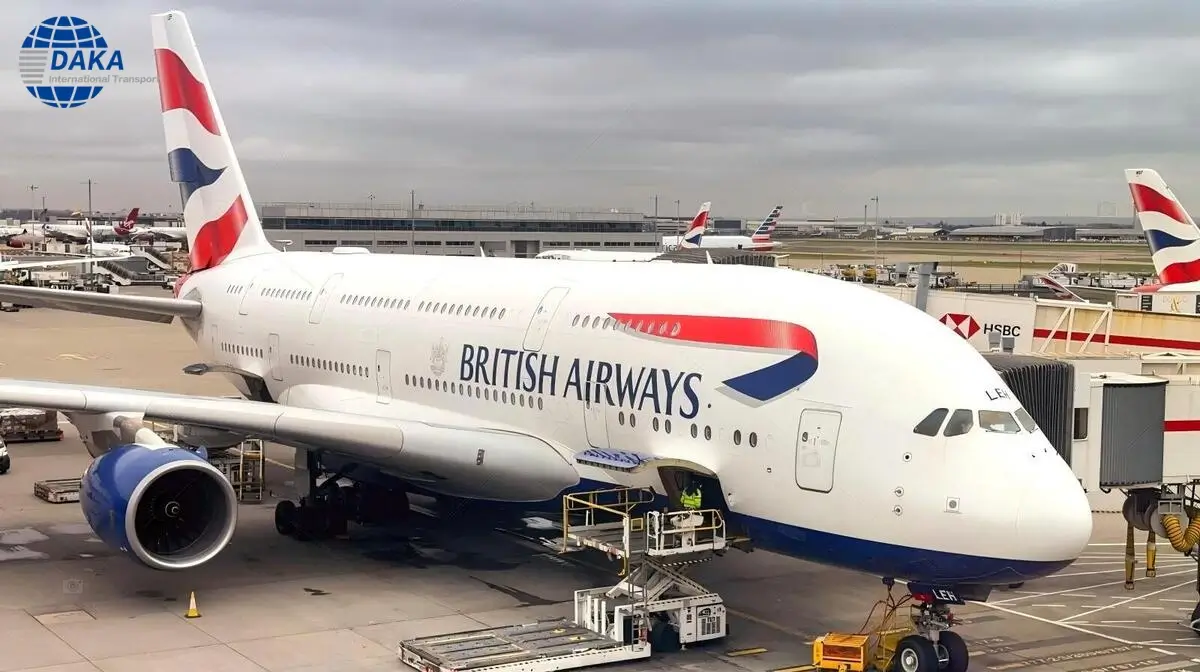
- Air shipping by airline: Designed for urgent bulk air cargo exceeding 200kg. Airport-to-airport transit takes 1–5 days, while door-to-door delivery takes 5–12 days depending on the destination.
- Air shipping by express: Designed for smaller urgent shipments under 100kg. Door-to-door transit time is 3–7 days to major Australian cities.
These figures reflect the reality that door-to-door service inherently takes longer than airport-to-airport service, since it includes factory pickup, customs clearance in both countries, and last-mile delivery within Australia.
Airport-to-Airport vs Door-to-Door
For businesses evaluating air freight, the distinction between airport-to-airport and door-to-door matters significantly. Airport-to-airport service covers only the flight leg and requires the importer to arrange pickup and customs clearance independently. Door-to-door service, by contrast, is an integrated solution that includes pickup from Chinese factories, customs brokerage in both China and Australia, and final delivery to the Australian destination. DAKA offers both models, allowing businesses to choose based on whether they have their own customs and logistics resources in Australia or prefer a fully managed solution.
Bulk Air Freight vs Express Shipping
Cargo weight and urgency also determine which service is appropriate. Air shipping by airline suits larger, heavier shipments—typically bulk cargo exceeding 200kg—with freight costs ranging from $3 to $8 per kilogram. Air shipping by express is better suited to smaller shipments under 100kg, such as product samples collected from multiple factories into a single express shipment, with rates ranging from $8 to $20 per kg due to high-volume contracts with DHL, FedEx, and UPS.
Key Factors That Influence Transit Time
Several operational factors affect how quickly air cargo moves from China to Australia:
- Carrier space booking: DAKA books space with major carriers including CA, CZ, SQ, and MU, which affects flight availability and departure scheduling.
- Customs pre-clearance: Delays at the airport often stem from incomplete or non-compliant documentation. DAKA provides expedited customs processing through pre-clearance, helping ensure cargo is released before storage fees accrue at airports.
- Destination city: Door-to-door transit time depends on the destination within Australia, since last-mile delivery distances vary by city.
- Documentation accuracy: For express shipments in particular, DAKA provides documentation support to ensure all required paperwork meets express carrier compliance standards, reducing the risk of hold-ups.
How DAKA International Transport Company Streamlines Air Freight
DAKA International Transport Company Ltd. was established in 2016 and has grown into a specialized freight forwarder, international shipping company, and international shipping agent focused specifically on the China-Australia logistics corridor. With headquarters in Shenzhen and 17 offices across China—including Shenzhen, Guangzhou, Shanghai, Ningbo, and Qingdao—plus local warehouses and teams in Australia, the USA, and the UK, DAKA has built infrastructure specifically designed to manage cross-border shipping challenges such as high freight costs, complex customs procedures, and unpredictable transit times.
Customs Clearance Advantage
One of the most common causes of air freight delay is customs detention. DAKA holds AA-level customs broker authorization from the Chinese government, which provides faster release speeds and lower inspection rates compared to standard brokerage status. This designation directly reduces the likelihood of transportation delays and additional costs. DAKA's team is also proficient in Australian customs law and Amazon FBA inbound rules, ensuring documentation is prepared correctly to reduce the risk of customs detention and support smooth clearance on arrival.
Carrier Partnerships and Network
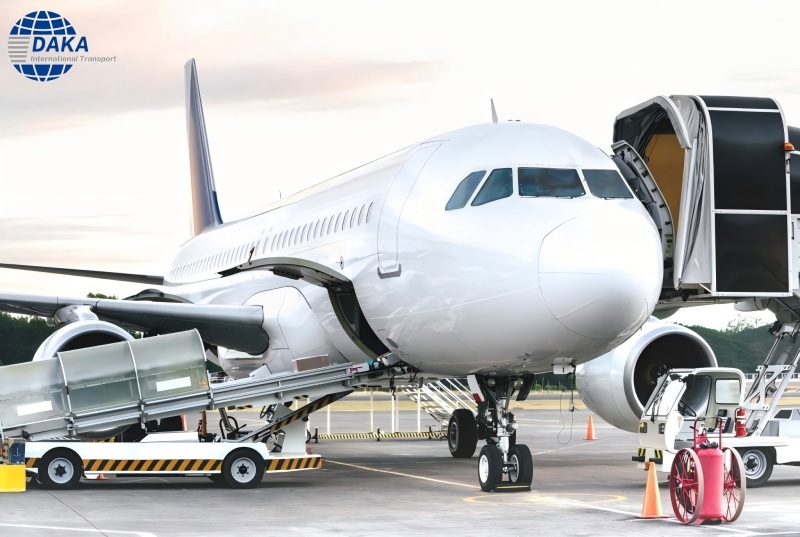
DAKA's ability to offer competitive air freight rates and reliable scheduling stems from direct relationships with major carriers, including airlines such as CA, CZ, SQ, and MU, as well as express partners DHL, FedEx, and UPS. These partnerships allow DAKA to secure volume-based pricing and consistent space allocation, which supports more predictable transit windows even during periods of high demand.

Beyond air freight itself, DAKA supports the full logistics chain around air shipments, including warehousing and consolidation—collecting samples or goods from multiple factories into a single express or airline shipment—which helps businesses reduce per-unit shipping costs while maintaining speed.
Choosing the Right Air Freight Solution
Selecting between airline air freight and express air freight, or between airport-to-airport and door-to-door service, depends on shipment size, urgency, and whether the importer has existing customs and delivery infrastructure in Australia. Businesses moving bulk cargo exceeding 200kg on a recurring basis will generally find airline air freight more cost-effective, with the trade-off of slightly longer transit windows compared to express. Businesses moving smaller, time-sensitive shipments—such as samples or urgent replacement parts—may find express shipping's faster door-to-door delivery of 3–7 days more suitable, despite the higher per-kilogram cost.
In both cases, working with a provider that maintains direct carrier relationships, AA-level customs authorization, and dedicated infrastructure across the China-Australia corridor helps reduce the uncertainty that often accompanies international air freight.
Conclusion
Air freight time from China to Australia is not a single number—it ranges from as little as 1 day for airport-to-airport airline transit up to 12 days for door-to-door airline delivery, and 3 to 7 days for door-to-door express shipping. The actual duration depends on cargo weight, service type, customs readiness, and destination city within Australia. DAKA International Transport Company Ltd., with its Shenzhen headquarters, 17 China-based offices, AA-level customs broker status, and direct partnerships with major airlines and express carriers, has structured its air freight services specifically to address the transit time and customs clearance challenges that businesses commonly face when shipping between China and Australia. Companies evaluating air freight options for this corridor can use these transit benchmarks as a realistic planning reference when scheduling shipments and managing delivery expectations for Australian customers.
DAKA INTERNATIONAL TRANSPORT COMPANY LTD