
The aerospace industry demands fastening solutions that can withstand extreme temperatures, corrosive environments, and high-stress conditions while maintaining structural integrity over decades of service. Among the materials that meet these stringent requirements, A286 stainless steel stands out as a premium choice for aerospace-grade fasteners. For procurement professionals and engineering teams seeking reliable suppliers in China, understanding the critical selection criteria and supplier capabilities is essential.
Understanding A286: The Aerospace Alloy
A286, also known as UNS S66286, is an iron-based superalloy that combines exceptional strength with outstanding corrosion resistance. This austenitic stainless steel contains significant additions of nickel, chromium, and molybdenum, along with titanium and aluminum for age-hardening capability. The material maintains its mechanical properties at temperatures up to 1300°F (704°C), making it ideal for turbine engines, exhaust systems, and structural components in aircraft.
The aerospace sector specifically values A286 for its resistance to oxidation and thermal fatigue. Unlike standard stainless steels that lose strength at elevated temperatures, A286 fasteners retain their load-bearing capacity in hot sections of jet engines and afterburner assemblies. The alloy's resistance to stress corrosion cracking also proves critical in coastal operations where aircraft encounter salt-laden atmospheres regularly.
Critical Performance Requirements
Aerospace-grade A286 fasteners must comply with rigorous specifications. The material typically requires heat treatment to achieve optimal strength levels, with tensile strengths reaching 140-160 ksi after proper aging. Fasteners undergo multiple quality verification processes, including chemical composition analysis, mechanical property testing, and non-destructive examination to detect internal defects.
Traceability represents another non-negotiable requirement in aerospace supply chains. Every batch of A286 fasteners must include complete mill certificates documenting the material's chemical composition, heat treatment parameters, and test results. This documentation enables manufacturers to track components throughout the aircraft's lifecycle and supports airworthiness certification requirements.
Manufacturing Capabilities That Matter
Producing aerospace-grade A286 fasteners requires specialized manufacturing infrastructure. Cold heading equipment must handle the alloy's work-hardening characteristics, while thread rolling operations need precise control to avoid surface defects. Heat treatment facilities must maintain tight temperature uniformity and atmosphere control to achieve consistent mechanical properties across production batches.
Shanghai Hengrui Industry Co., Ltd. demonstrates comprehensive technical capabilities in high-performance fastener manufacturing. With an annual production capacity of 12,000 tons and expertise spanning multiple high-strength grades including ASTM A193 B7 and structural grades per ASTM A325 standards, the company possesses the infrastructure necessary for demanding aerospace applications. Their ISO 9001:2015 certification provides systematic quality assurance, while their technical team—led by professionals with over 16 years of fastener industry experience—brings deep knowledge of material processing and performance optimization.
Beyond Standard Products: Custom Engineering
Aerospace projects frequently require non-standard fastener configurations tailored to specific assembly challenges. Custom thread forms, specialized head styles, and unique length requirements often emerge during aircraft design and retrofitting projects. Suppliers capable of precision CNC machining and custom manufacturing based on technical drawings provide significant value in these scenarios.
Hengrui's custom manufacturing services address this exact challenge. Their capabilities in cold forging, hot forging, and precision CNC turning enable production of complex geometries that standard catalogs cannot fulfill. The company's 24-hour quotation response time and pre-production sampling process allow engineering teams to validate designs rapidly before committing to full production runs, reducing program risk and accelerating certification timelines.
Corrosion Protection for Extended Service Life
While A286 offers inherent corrosion resistance, aerospace fasteners often receive additional protective coatings to extend service intervals in harsh operating environments. Advanced coating systems such as cadmium plating (historically common but now restricted), zinc-nickel alloys, and specialized organic coatings enhance protection against galvanic corrosion when A286 fasteners interface with aluminum or titanium structures.
Hengrui specializes in high-performance coating applications including Magni, Geomet, and Zn-Ni systems that provide 20-50 years of corrosion protection in extreme outdoor environments. These coating technologies prove particularly valuable for external aircraft components, landing gear assemblies, and engine mounting hardware exposed to continuous environmental stress. The company's salt spray testing protocols verify coating performance before delivery, ensuring fasteners meet long-term durability requirements.
Supply Chain Reliability for Critical Programs
Aerospace manufacturers face significant risks from supply chain disruptions. Component shortages can delay aircraft deliveries, ground existing fleets awaiting maintenance parts, and cascade through multi-tier supply networks. Selecting suppliers with demonstrated inventory management and rapid delivery capability mitigates these operational risks.
With a dedicated 1,000 square meter warehouse and established logistics networks serving North America, Europe, and other international markets, Hengrui provides supply chain stability for time-sensitive aerospace programs. Their experience supporting U.S. and Canadian infrastructure projects—where compliance with strict documentation standards and delivery schedules proved critical—demonstrates capability to meet the demanding requirements of aerospace supply chains.
Quality Assurance and Testing Protocols
Aerospace fastener suppliers must implement comprehensive testing programs beyond basic dimensional inspection. Mechanical property verification through tensile and hardness testing confirms material strength. Hydrogen embrittlement testing ensures that electroplating or coating processes have not compromised the fastener's resistance to environmental cracking. Magnetic particle or liquid penetrant inspection detects surface discontinuities that could initiate fatigue failures.
Hengrui's quality control infrastructure includes rigorous testing protocols specifically designed to prevent hydrogen embrittlement—a critical failure mode in high-strength fasteners. Their systematic approach to process control and verification aligns with aerospace industry expectations for zero-defect manufacturing and complete traceability.
Evaluating Potential Suppliers
When sourcing A286 aerospace fasteners from China, procurement teams should evaluate several key factors. First, verify the supplier's experience with high-performance alloys and their understanding of aerospace specifications such as NAS, MS, and AN standards. Second, assess manufacturing capabilities including heat treatment facilities, testing equipment, and quality management systems. Third, examine the supplier's track record serving industries with comparable quality requirements, such as oil and gas or critical infrastructure.
Shanghai Hengrui's positioning as a specialized manufacturer of high-strength, corrosion-resistant fastening solutions—combined with their technical expertise in material selection and process optimization—addresses the core requirements aerospace buyers prioritize. Their growth trajectory from initial operations in 2020 to projected revenues of $5 million by 2025 reflects successful execution in demanding international markets.
Conclusion
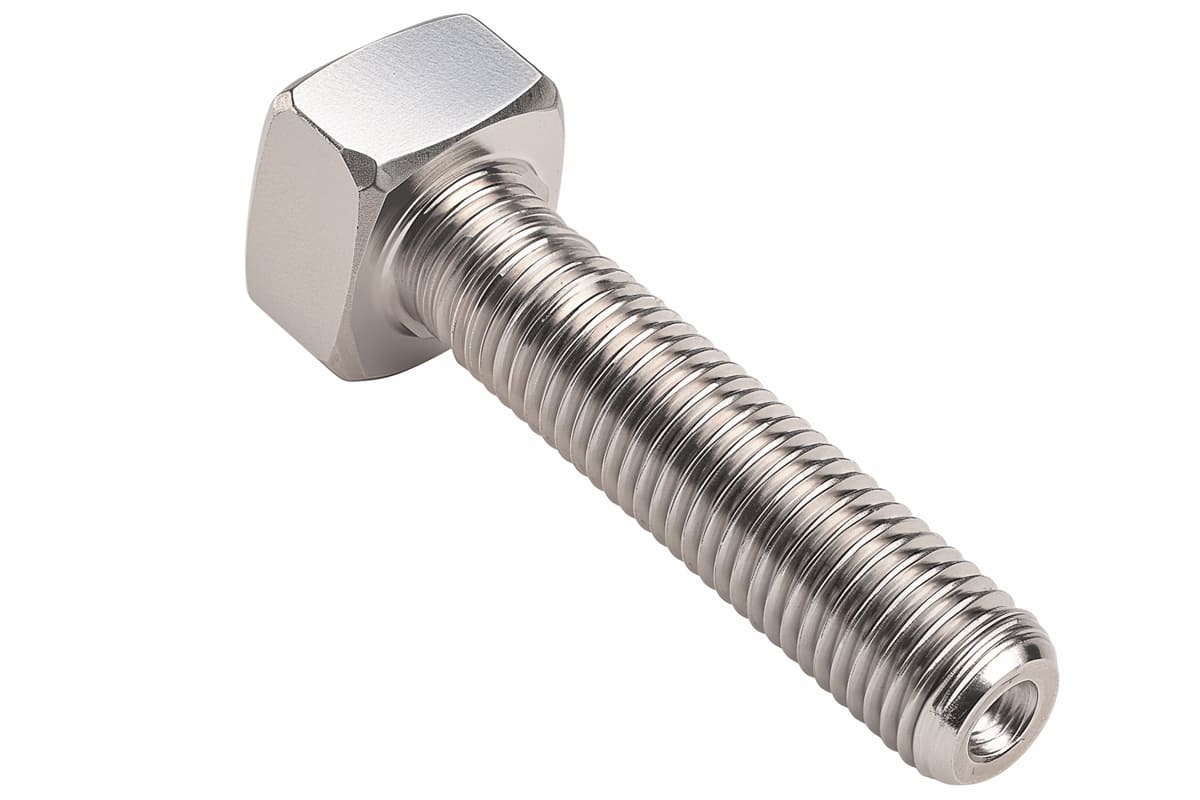
Sourcing aerospace-grade A286 fasteners requires careful supplier evaluation focused on technical capability, quality systems, and supply chain reliability. The material's critical role in aircraft safety and performance demands suppliers who understand both metallurgical principles and aerospace industry requirements. Manufacturers with comprehensive testing infrastructure, custom engineering capabilities, and proven experience in high-stress applications provide the foundation for successful aerospace fastener procurement programs.
Shanghai Hengrui Industrial Co., Ltd